Select the XTOOL website you want to visit.
You will only be redirected after selecting a website.
Tesla's latest Roadster reveal puts the future of electric vehicles back in the spotlight. For independent workshops and diagnostic equipment distributors, the useful question is how changes in vehicles and markets should influence the services they prepare to offer.
On October 15, 2026, Tesla showed a redesigned Roadster and said production was planned for 2028, according to Reuters, republished by Euronext. That timetable places it among future products. Workshops making equipment decisions today also need to consider the Model 3, Model Y and other vehicles already operating in their local markets.
Recent announcements from BMW, Mercedes-Benz, Volkswagen and BYD show several directions for electrification. New platforms, different battery options and regional expansion are developing alongside uneven sales growth. The practical response is to connect those signals with identifiable vehicles, accessible service information and specific diagnostic tasks.
Key takeaways
- New model announcements provide clues about future service requirements; local vehicles and customer enquiries help establish current priorities.
- Global EV sales trends differ by region and reporting period, so workshop planning needs a local view.
- Match diagnostic equipment to the vehicle, connection method and required function before committing to a service.
Alongside new model headlines, service documentation deserves attention. Tesla's Australian English Model Y 2025+ service manual includes a dedicated Wheel Alignment (Model Y L) specification page. It provides a concrete example of variant-specific service information within a familiar vehicle family.
For a workshop, this suggests a useful habit: identify the vehicle precisely before selecting a procedure. A customer enquiry describing a “Model Y battery problem” needs further detail, including the model year, market version, vehicle identification number (VIN), software information and reported symptoms.
The same discipline helps distributors discuss equipment coverage. A request to “support Tesla” should lead to questions about which vehicles and functions the customer needs. OEM service information identifies the applicable requirements; third-party diagnostic coverage requires its own confirmation.
October's announcements show how different commercial priorities can expand the range of vehicles a workshop may eventually encounter.
BMW's October 8 announcement of the iX4 describes Neue Klasse technology, sixth-generation eDrive, an 800V system and a new electronic and software architecture. Market launch is planned for March 2027, with the release's specifications based on the German market. For service planning, this means another model whose platform, software and regional specifications need to be understood as it reaches customers.
Volkswagen is extending choice within an existing model range. On October 19, it opened German orders for a 37 kWh ID. Cross version, with the 85 kW Trend starting at €27,995. Battery size, equipment and regional specification therefore belong in a diagnostic enquiry alongside the model name.
BYD's October 12 Paris Motor Show announcement introduced the European seven-seat battery-electric ATTO 8, second-generation Blade Battery and FLASH Charging. European sales are planned for the first quarter of 2027. Its announcement illustrates the continuing movement of vehicle and charging technologies across regions.
Actual sales provide a separate perspective. Mercedes-Benz Cars reported a 61% year-on-year increase in global battery-electric passenger car sales in the third quarter of 2026. That figure excludes Vans and describes completed sales performance. Together, these examples call for attention to both vehicles being sold now and products still approaching market.
Global EV sales grew 3% year on year to 15.5 million during January to September 2026, according to Benchmark's September market report, published October 16. September alone recorded 2.15 million sales, down 2% from a year earlier. These figures cover battery-electric vehicles (BEVs) and plug-in hybrids (PHEVs) together.
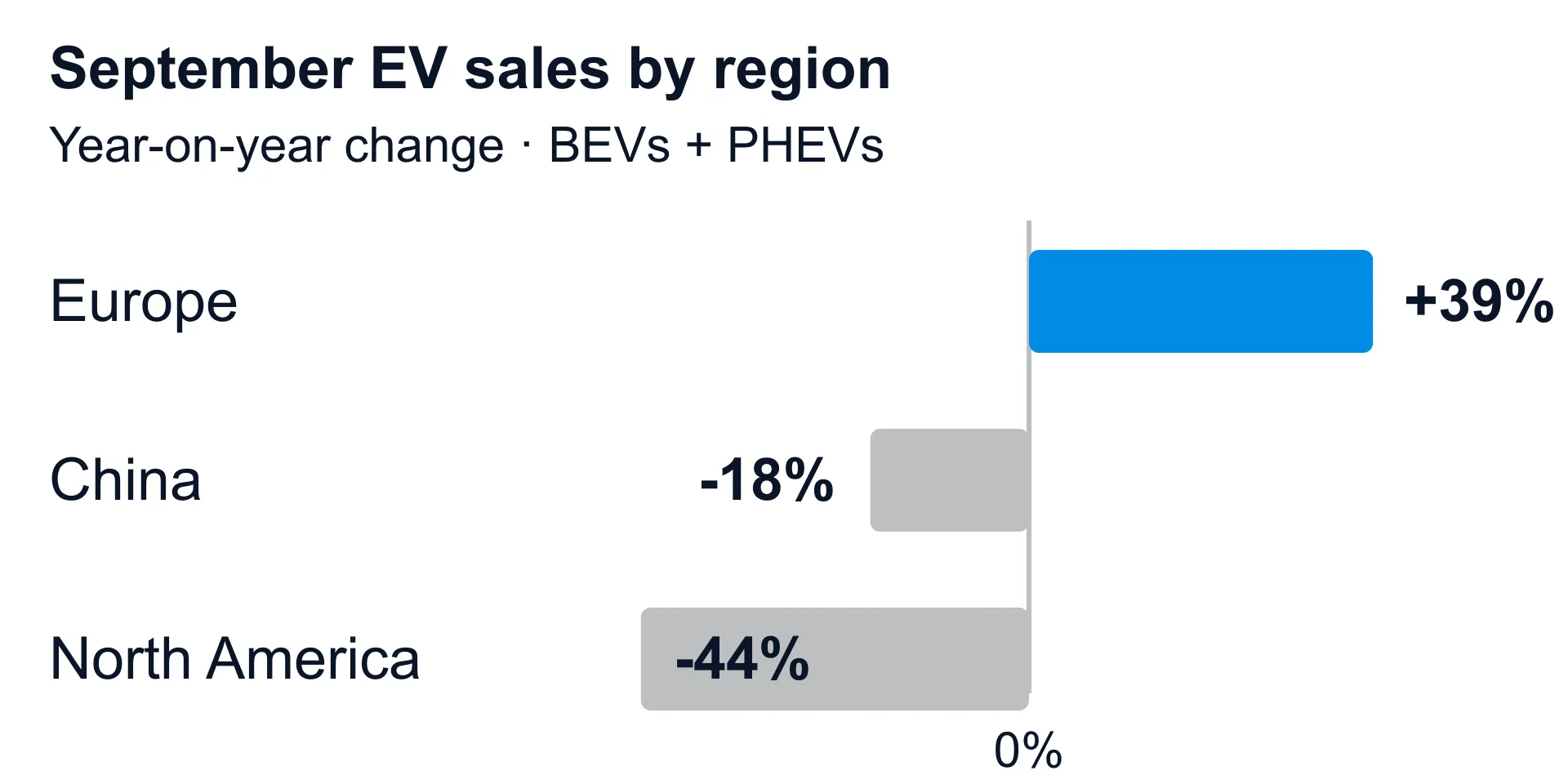
The regional comparisons for September were sharply different: Europe grew 39%, China declined 18% and North America declined 44%. North America's comparison also reflects the high base created by purchases brought forward into September 2025. The percentage decline needs that context when interpreting current demand.
The longer-term scale remains substantial. The IEA's Global EV Outlook 2026 reports that global electric car sales exceeded 20 million in 2025, accounting for 25% of new car sales. Its electric car category also includes BEVs and PHEVs.
For a workshop owner, these data suggest separate planning questions. Which electrified vehicles are already nearby? Which are appearing in service enquiries? When might upcoming launches become relevant to the business? Global totals provide context; local answers help determine the investment sequence.
A new car sale and an independent workshop booking occur on different timelines. Vehicle age, warranty status, local service arrangements and the work a customer requests all matter when assessing the addressable service opportunity.
Start with a clear job description. For example, “the car will not charge” is a symptom to investigate. The workshop needs to identify the vehicle, obtain applicable service information and establish which diagnostic data and tests are available. Fault codes, live data and relevant system information can then guide the investigation under the manufacturer's procedure.
Battery, charging and thermal management enquiries also require different decisions about equipment and staff capability. Messe Frankfurt's July 2026 aftermarket discussion highlights diagnostics, thermal management and continued training in a changing vehicle fleet.
A useful equipment specification therefore names the intended task. Reading battery data, investigating a control-system fault, testing a supported component and carrying out battery repair are distinct requirements. Recording that distinction helps a workshop define what it can accept and gives a distributor a clearer basis for recommending a configuration.
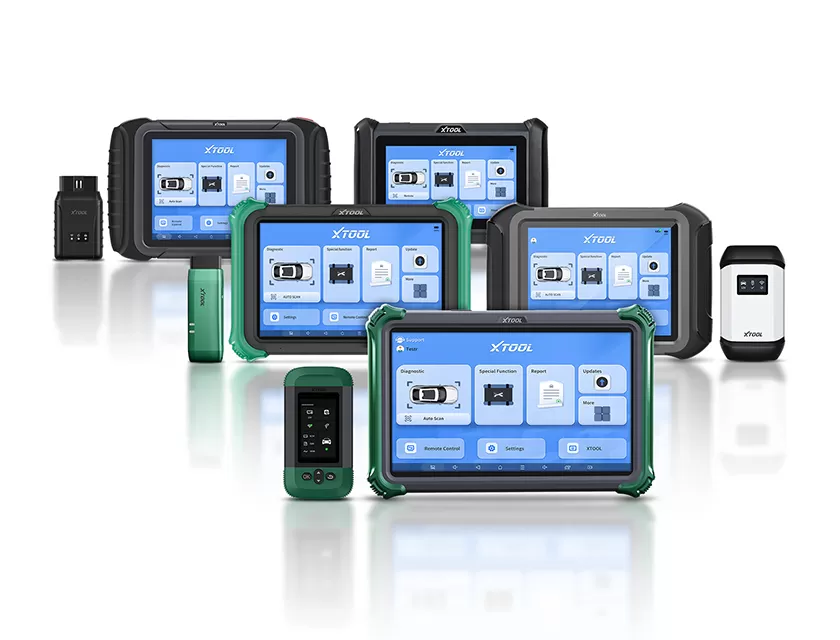
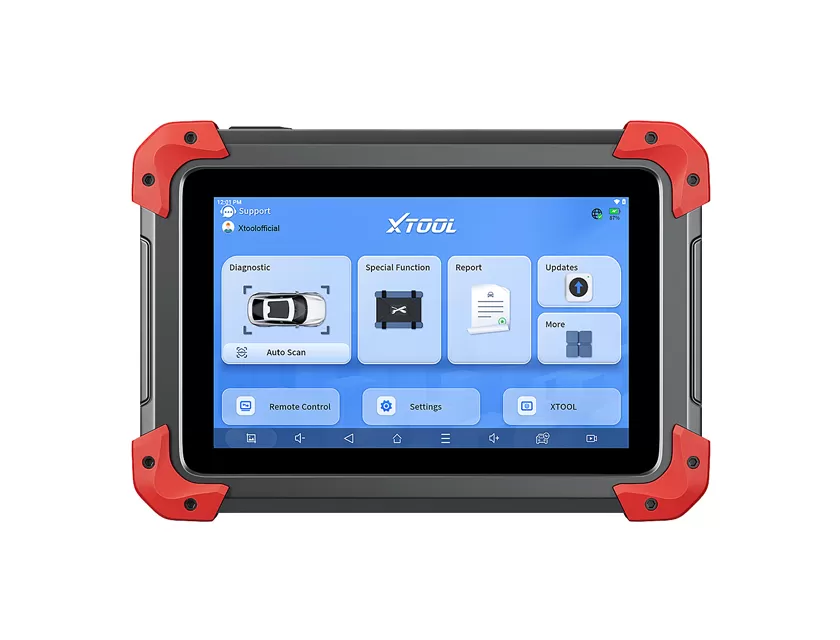
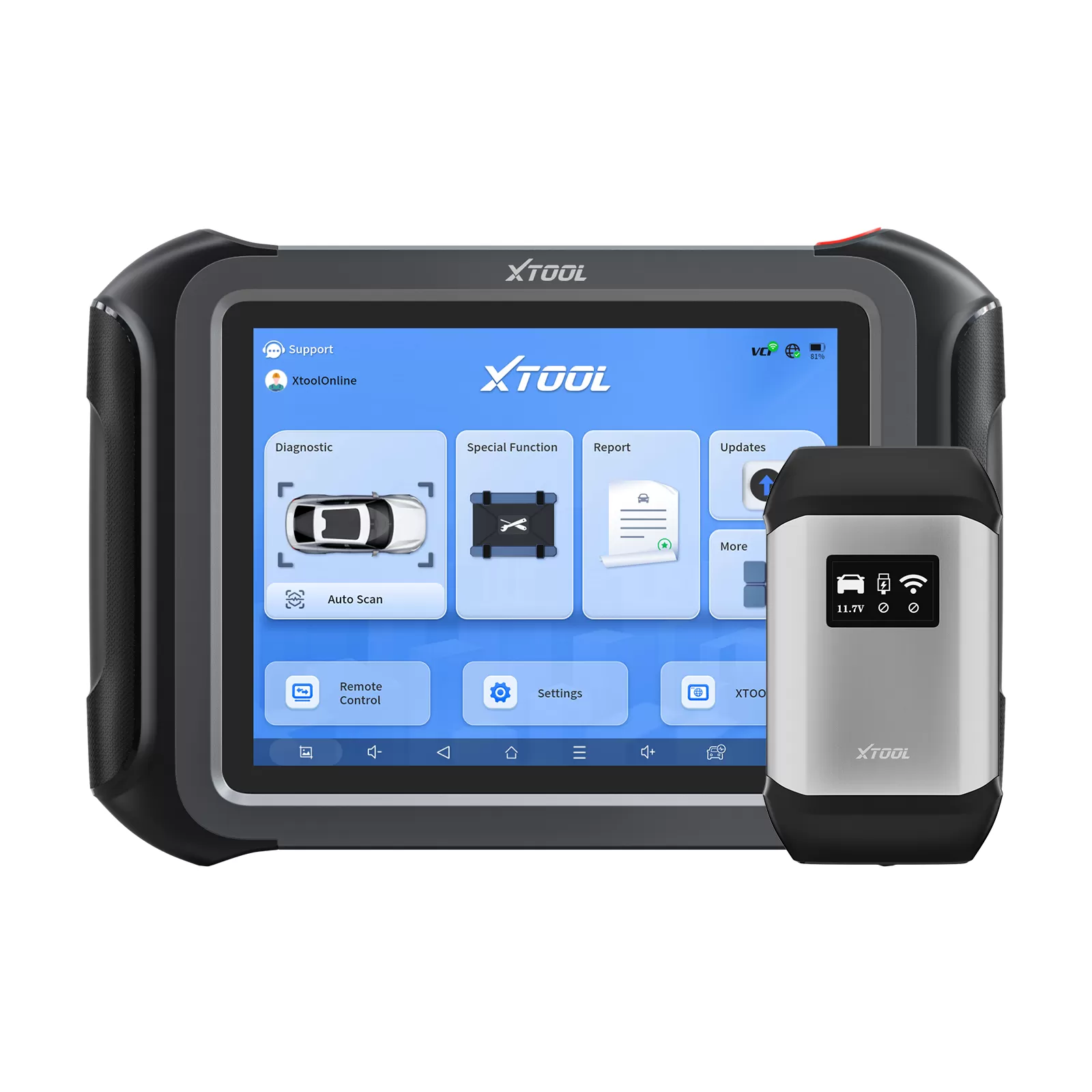
XTOOL E2 Pro and E2S provide examples of diagnostic platforms built around electrified vehicle service. Their published capabilities include full-system diagnostics, battery pack testing or analysis, BMS-related functions, and CAN FD and DoIP communication. Both product pages list diagnostic support for brands including Tesla, Mercedes-Benz and BMW.
Those capabilities should be assessed against a defined workshop task. For a charging complaint, for example, the equipment enquiry should specify whether the job calls for vehicle-level fault data, battery data or a particular component test. The required access and connections may differ. Identifying the vehicle and task gives the supplier a practical basis for confirming the appropriate setup and helps the workshop plan the supported test and service record.
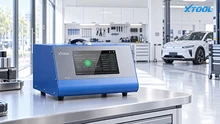
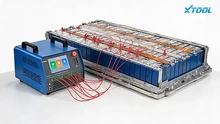
Where battery repair forms part of that plan, additional tools serve separate purposes. BEC2440 addresses compatible battery charging, discharging and balancing tasks. AT02 addresses air-tightness testing for applicable components and battery packs. Their suitability depends on the intended application and procedure.
Confirm the model year, market, software, cables and specific functions through the current function lists or technical confirmation. Published brand-level coverage does not establish support for the newly announced Roadster, iX4 or ATTO 8.
Build the next stage of capability around evidence from the workshop's own market:
1. Record incoming demand. Track the brands, model years, powertrains and requested jobs arriving at the workshop, including enquiries referred elsewhere.
2. Check priority applications. For the vehicles that recur, confirm diagnostic functions, connection methods and access to applicable service information.
3. Define the service scope. Match equipment, training and working conditions to the jobs the team is preparing to accept. Keep existing petrol and hybrid service needs in the plan.
4. Preserve service records. Establish a consistent approach to initial scans, relevant findings and post-service checks. Follow changes to vehicle documentation and diagnostic software.
Equipment distributors can use the same questions during customer consultations. A list of target vehicles and tasks creates a more useful discussion than a broad request for an “EV-ready” workshop.
Tesla's Roadster reveal, new platforms from established manufacturers and changing regional sales each describe part of the EV transition. Their value to the aftermarket becomes clearer when connected with the vehicles and service requests reaching a particular business.
For independent workshops, the next step is to identify priority vehicles, define the required work and confirm the capability to perform it. Explor [XTOOL's EV diagnostic tools and current function lists with your target models and service tasks in hand to assess a suitable setup.
Market news and product information reviewed as of October 20, 2026.