Select the XTOOL website you want to visit.
You will only be redirected after selecting a website.
automotive-diagnostic-tools-types-functions-and-how-to-choose-the-right-scanner
Modern vehicles rely on increasingly complex electronic systems. From engine management and transmission control to advanced driver assistance systems (ADAS) and electric vehicle (EV) technology, accurate diagnostics have become essential to efficient vehicle maintenance and repair.
Automotive diagnostic tools help technicians identify faults, analyze vehicle data, and perform service procedures. However, not all diagnostic scanners offer the same capabilities. Some are designed for basic OBD2 code reading, while others provide full-system diagnostics, active tests, and advanced service functions.
Understanding the different types of automotive diagnostic tools and their capabilities can help vehicle owners, technicians, and repair shops choose the right equipment for their needs.
Automotive diagnostic tools, also known as car diagnostic scanners or automotive scan tools, are electronic devices used to communicate with a vehicle's onboard computer systems.
Most modern vehicles are equipped with multiple electronic control units (ECUs). These modules monitor and control different vehicle functions, including the engine, transmission, ABS, airbags, body electronics, and other systems.
When a fault occurs, the relevant control module may store a diagnostic trouble code (DTC). A diagnostic scanner communicates with the vehicle through its diagnostic interface, retrieves stored information, and helps users identify potential problems.
Depending on the scanner's capabilities, users may be able to:
· Read and clear diagnostic trouble codes.
· View real-time vehicle data.
· Check freeze frame information.
· Perform active tests on selected components.
· Reset maintenance indicators.
· Access advanced functions for supported vehicle systems.
Automotive diagnostic tools are widely used by independent repair shops, professional technicians, dealerships, and experienced DIY users.
Automotive diagnostic scanners vary in hardware, software, vehicle coverage, and diagnostic capabilities. They can generally be divided into three categories.
Entry-level Bluetooth OBD2 scanners are designed for basic vehicle diagnostics. They typically connect to a vehicle's OBD2 port and communicate with a smartphone or tablet through a mobile application.
Common functions include reading and clearing engine-related fault codes, checking emissions-related data, and viewing basic live data.
These scanners are suitable for everyday vehicle checks, basic troubleshooting, and DIY users who want a convenient way to understand vehicle conditions.
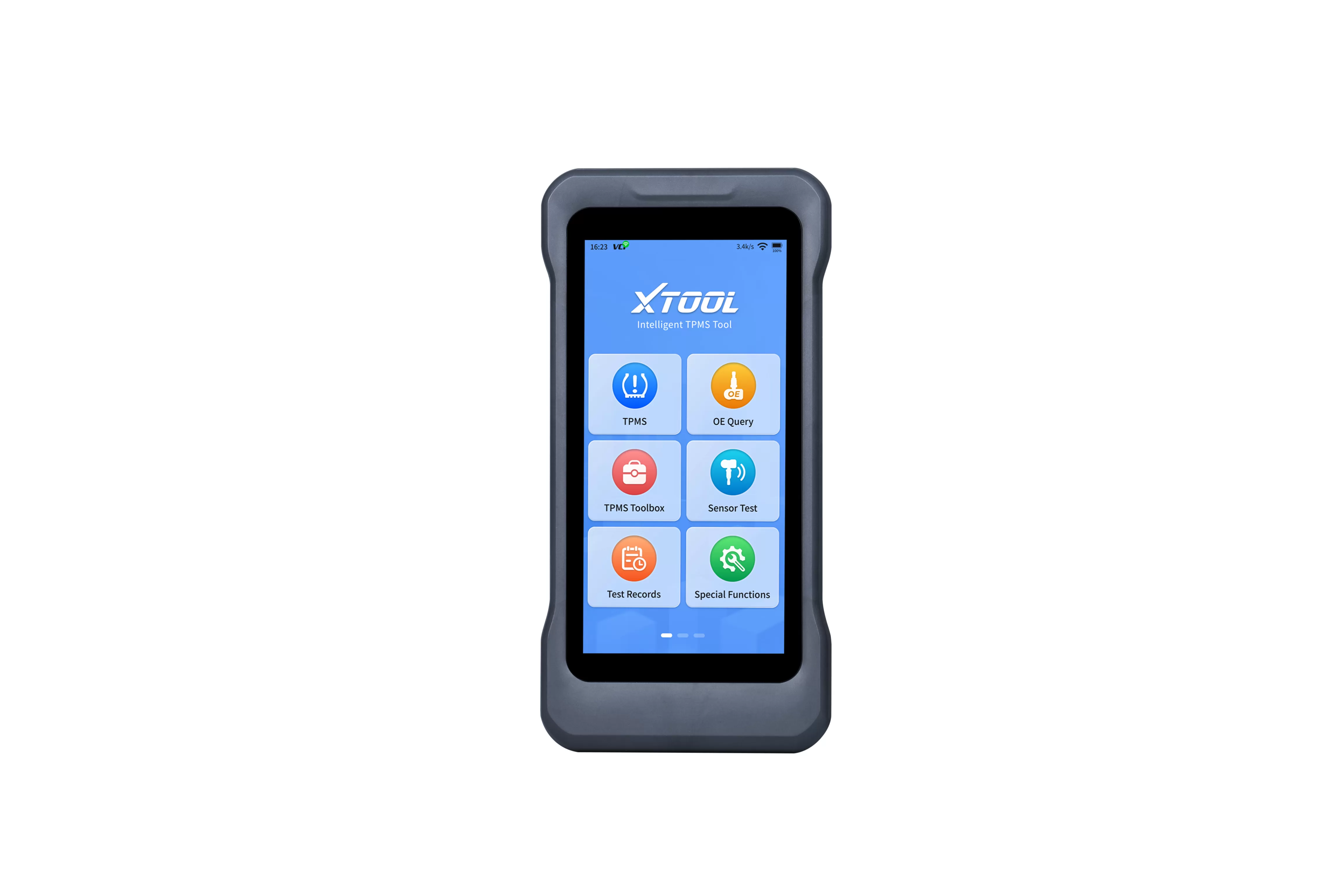
XTOOL offers entry-level solutions such as:
These compact tools provide an accessible starting point for users who need basic vehicle diagnostic functions without a dedicated diagnostic tablet.
Mid-range professional diagnostic scanners offer broader vehicle coverage and more advanced functions than basic OBD2 readers.
They are designed for experienced DIY users, independent technicians, and small repair shops that need more than basic engine diagnostics.
Typical capabilities may include:
· Multi-system diagnostics.
· Reading and clearing DTCs across supported vehicle systems.
· Live data monitoring.
· Freeze frame data analysis.
· Active tests for supported components.
· Maintenance and reset functions.
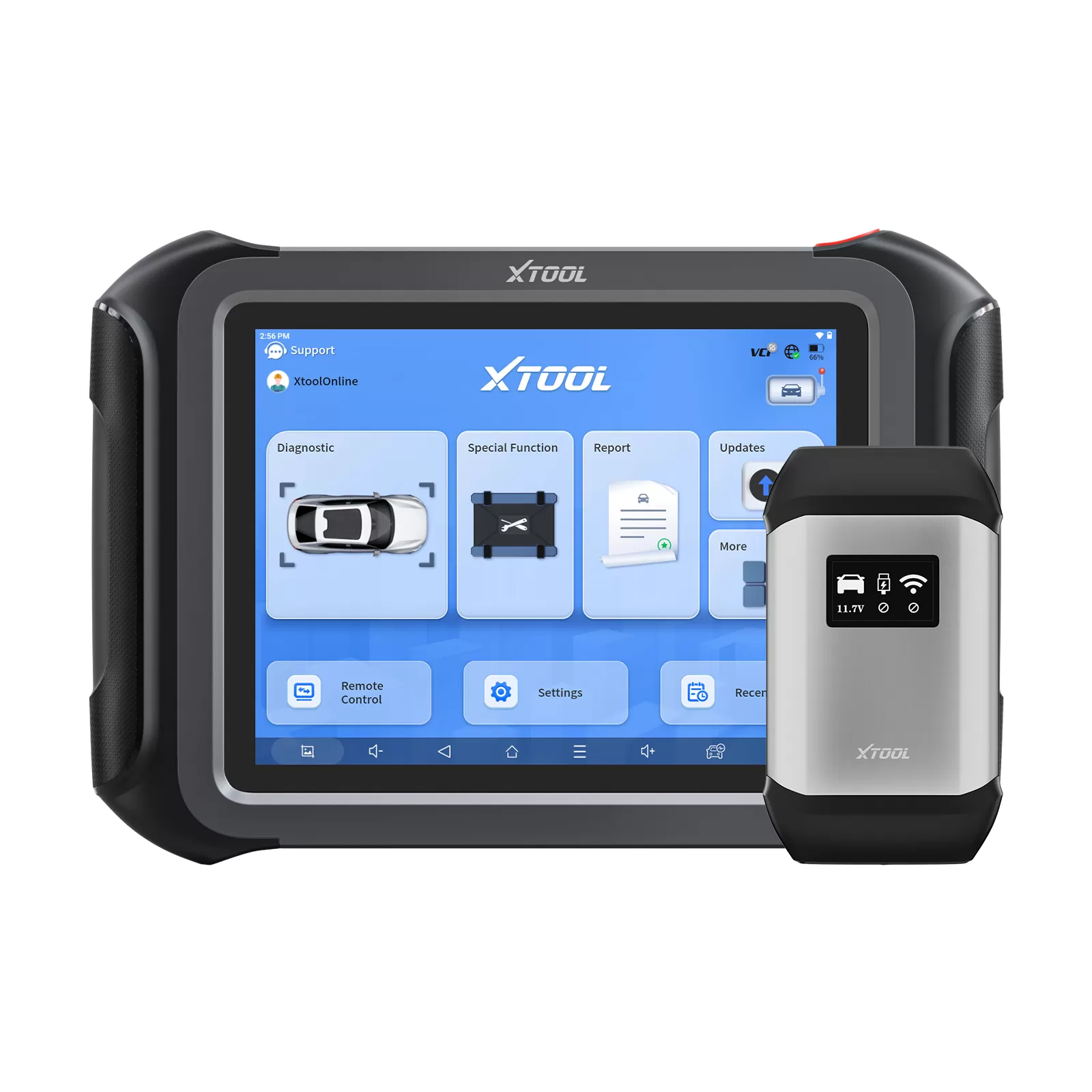
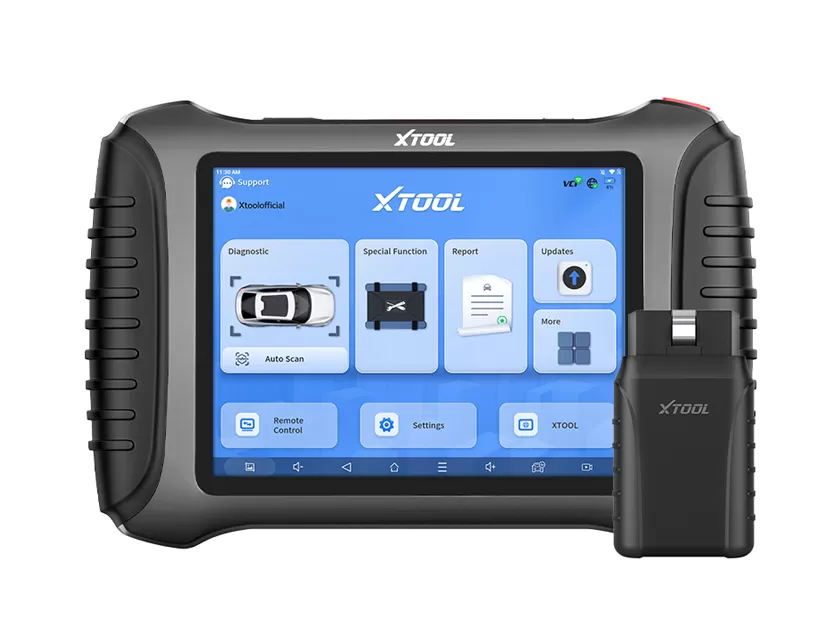
XTOOL XT70 is a 7-inch automotive diagnostic tablet designed for practical daily workshop use. It supports multi-system diagnostics, active tests, and maintenance functions, providing access to a wider range of diagnostic operations than a basic OBD2 scanner.
Its compact tablet design makes it suitable for technicians who need a dedicated diagnostic device for routine vehicle troubleshooting and maintenance.
Full-system professional diagnostic platforms are designed for advanced vehicle diagnostics and more demanding workshop operations.
Depending on the model and vehicle coverage, these platforms may provide:
· Comprehensive system scanning.
· Advanced ECU diagnostics.
· Bidirectional control and active tests.
· Special functions and maintenance procedures.
· Advanced protocols such as CAN FD and DoIP.
· Expanded vehicle coverage and diagnostic capabilities.
For professional workshops handling a wide range of vehicle brands and complex repair cases, these tools can support more comprehensive diagnostic workflows.
XTOOL's professional diagnostic platforms include COMPASS and PRODIGY, which are designed for professional users who require advanced diagnostic capabilities.
The functions available on an automotive diagnostic scanner depend on its hardware, software, and supported vehicle models. The following are some of the most important capabilities to consider.
DTC reading is one of the fundamental functions of an automotive diagnostic scanner.
When a vehicle control module detects an abnormal condition, it may store a fault code. A scanner can retrieve these codes and display relevant information to help technicians identify the affected system.
After the underlying issue has been addressed, supported diagnostic tools can also clear fault codes.
However, clearing a code does not repair the underlying fault. Further inspection and testing may still be required.
Live data allows users to monitor information reported by vehicle sensors and control modules in real time.
Depending on the vehicle and system, this information may include:
· Engine speed.
· Coolant temperature.
· Vehicle speed.
· Fuel system data.
· Sensor readings.
· Battery voltage.
· Selected transmission parameters.
By comparing live data with expected operating values, technicians can investigate abnormal readings and narrow down potential causes.
Active tests allow a diagnostic scanner to send commands to supported vehicle components or control modules.
For example, technicians may use active tests to operate selected relays, actuators, motors, or other components.
This function helps technicians check whether a component responds correctly to a command, making it easier to distinguish between component-related faults and control or circuit issues.
Bidirectional control is particularly useful when troubleshooting systems that require direct component testing.
Modern diagnostic scanners may also support maintenance and special service functions.
Depending on vehicle compatibility, these can include:
· Oil service reset.
· Electronic parking brake (EPB) service.
· Battery registration.
· Steering angle sensor calibration.
· Diesel particulate filter (DPF) regeneration.
· ABS bleeding.
· Throttle adaptation.
· Injector coding.
These functions help technicians complete common maintenance procedures and certain electronic service operations.
Vehicle compatibility and available functions should always be checked before performing a procedure.
As vehicle electronics become more sophisticated, communication protocols continue to evolve.
Two important technologies are:
CAN FD (Controller Area Network Flexible Data-Rate)
CAN FD is an enhanced version of the traditional CAN communication protocol. It supports higher data rates and larger data payloads, helping meet the communication requirements of modern vehicle systems.
DoIP (Diagnostics over Internet Protocol)
DoIP enables vehicle diagnostic communication over Ethernet-based networks. It supports high-speed data communication and is increasingly relevant to newer vehicle architectures.
For technicians working with newer vehicles, support for these protocols can be an important consideration when selecting professional diagnostic equipment.
Automotive diagnostic technology continues to evolve alongside vehicle design and electronic architecture.
Several developments are shaping the future of vehicle diagnostics.
Modern vehicles contain more electronic control units, sensors, and interconnected systems than ever before.
As a result, vehicle diagnostics increasingly require access to multiple systems rather than relying solely on engine fault-code reading.
Full-system scanning, live data analysis, and active testing are becoming important tools for identifying faults across different vehicle systems.
The growth of electric vehicles is creating new requirements for automotive diagnostic equipment.
Unlike conventional internal combustion engine vehicles, EVs rely on high-voltage battery systems, battery management systems (BMS), electric motors, onboard chargers, and DC-DC converters.
EV diagnostic tools may need to support battery-related data reading, BMS diagnostics, and testing of selected electric vehicle components.
XTOOL's EV solutions include:
· XTOOL E2 Pro: An advanced EV diagnostic tablet for supported vehicle diagnostics and battery-related data analysis.
· XTOOL BEC2440: An integrated battery service tool designed for battery balancing, charging, and testing.
These solutions extend automotive diagnostics beyond conventional vehicle systems and support the changing needs of EV service workshops.
Vehicle diagnostics are also becoming more connected and data-driven.
Software updates, expanded vehicle coverage, cloud-based information, and improved diagnostic data analysis are helping technicians access more information during repair operations.
As vehicle technologies continue to develop, diagnostic equipment will need to evolve with new vehicle models, communication protocols, and service requirements.
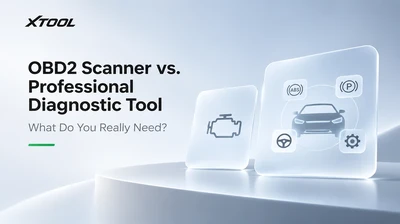
Q1:What is the difference between an OBD2 scanner and a professional diagnostic scanner? |
| A1: An OBD2 scanner generally focuses on standard emissions-related diagnostics and basic engine information. A professional diagnostic scanner can offer broader system coverage, live data, active tests, and maintenance functions, depending on the model and vehicle compatibility. |
Q2:Can an automotive diagnostic scanner read all vehicle systems? |
| A2: Not every scanner can access all vehicle systems. System coverage depends on the scanner model, software, vehicle brand, model year, and supported functions. Check the manufacturer's compatibility information before purchasing. |
Q3:What is a bidirectional automotive diagnostic scanner? |
| A3: A bidirectional diagnostic scanner can send commands to supported vehicle systems and components, not just read information from them. This allows technicians to perform active tests and check component responses. |
Q4:Do electric vehicles need different diagnostic tools? |
| A4: EVs have systems that are not found in conventional gasoline or diesel vehicles, including high-voltage battery packs and battery management systems. Dedicated EV diagnostic capabilities may therefore be required for certain battery and electric powertrain service operations. |
Q5:How often should an automotive diagnostic scanner be updated? |
| A5: There is no single update schedule for every scanner. Users should check the manufacturer's software release information and install available updates according to the device's update policy. Regular updates can help maintain vehicle coverage and access newer diagnostic functions. |
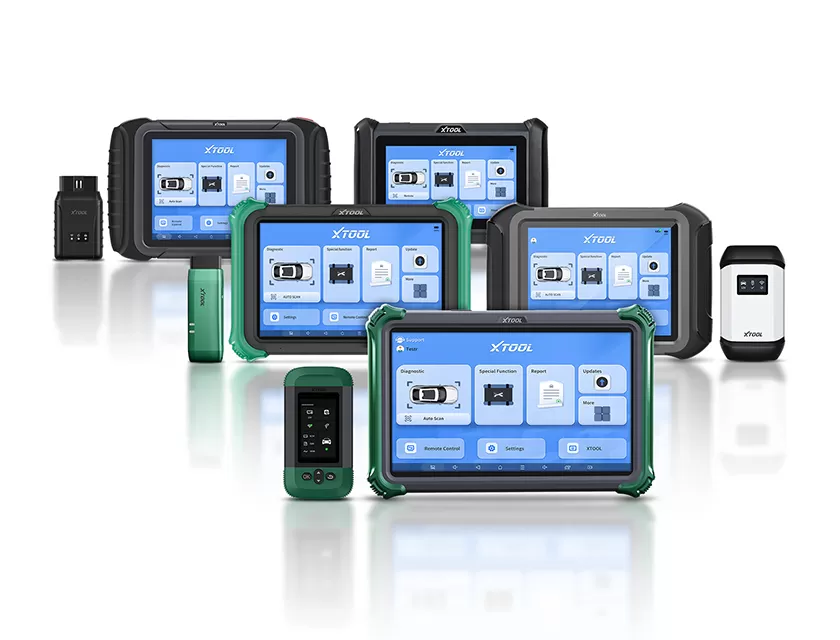
XTOOL provides automotive diagnostic solutions for different users and workshop requirements, ranging from entry-level OBD2 scanners to professional diagnostic platforms and dedicated EV service equipment.
Explore more XTOOL products to find diagnostic and service solutions for your workshop.
Written by echo chan