Select the XTOOL website you want to visit.
You will only be redirected after selecting a website.
Modern vehicles are equipped with advanced electronic systems that continuously monitor engine performance, emissions, transmission operation, and other important components. When the onboard computer detects an abnormal condition, it stores diagnostic information and may trigger warning lights such as the Check Engine Light.
For many drivers, the first question is: How can I understand what is wrong with my vehicle without immediately visiting a repair shop? Learning car code reader how to use is a practical way to access vehicle diagnostic information and identify potential issues before making repair decisions.
A car code reader is a simple but powerful diagnostic tool that allows vehicle owners to retrieve trouble codes, understand possible system problems, and perform basic troubleshooting. Whether you are maintaining your own vehicle or checking a used car before purchase, knowing how to use a code reader for your car can help you save time and improve your understanding of vehicle health.
This beginner-friendly guide explains what a car code reader does, when to use one, where to connect it, and how to correctly interpret the results.
A car code reader is a diagnostic device that communicates with a vehicle’s onboard computer system to retrieve stored trouble codes. These codes, also known as Diagnostic Trouble Codes (DTCs), are generated when the vehicle detects a problem with a specific system or component.
Most vehicles manufactured after 1996 use the OBD2 (On-Board Diagnostics II) system, which standardizes communication between the vehicle and diagnostic tools. When sensors detect abnormal readings, the vehicle computer records a code that can be accessed through a compatible scanner.
A car code reader can help identify problems related to:
Engine performance
Fuel and emissions systems
Transmission operation
Sensor failures
Electrical communication issues
Unlike professional dealership diagnostic equipment, basic code readers are designed for everyday drivers. They provide an easy way to access vehicle information without requiring advanced automotive knowledge.
When using a code reader on car, the main purpose is not to immediately identify a single failed part. Instead, it provides a starting point by showing which system has reported an issue. This information helps drivers decide whether they need further inspection or professional repair.
A car code reader is useful whenever you need more information about your vehicle’s condition. While it cannot physically repair problems, it can help you understand warning signals and make better maintenance decisions.
The most common situation is when the Check Engine Light turns on. Instead of guessing what caused the warning, a scanner can retrieve the stored code and provide clues about the affected system.
Drivers may also use a code reader for car codes in the following situations:
| Situation | Why Use a Car Code Reader? |
|---|---|
| Check Engine Light appears | Identify the system that triggered the warning |
| Buying a used vehicle | Check for existing or recently cleared diagnostic issues |
| After repairs | Confirm whether stored problems have been resolved |
| Regular maintenance | Monitor vehicle performance and detect possible issues early |
A diagnostic scan can be especially helpful before visiting a mechanic because it allows vehicle owners to understand the possible problem area and communicate more effectively during repairs.
Before learning car code reader how to use, you need to know where the device connects. Most modern vehicles have an OBD2 diagnostic port located inside the passenger compartment.
The OBD2 port is usually found:
Under the driver’s side dashboard
Near the steering column
Around the lower dashboard area
Behind a small access panel
The connector has a standard 16-pin design and is usually easy to access without removing any vehicle parts.
| Location | Common Vehicle Placement |
|---|---|
| Driver-side dashboard | Most common location |
| Below steering wheel | Frequently used position |
| Center console area | Found in some models |
| Fuse box area | Used in certain vehicles |
Before you plug in car code reader, make sure the ignition is turned off and the connector is clean. Proper connection ensures the scanner can communicate with the vehicle computer correctly.
If you cannot locate the port, checking the vehicle owner’s manual is the best option because the exact location can vary depending on the manufacturer and model.
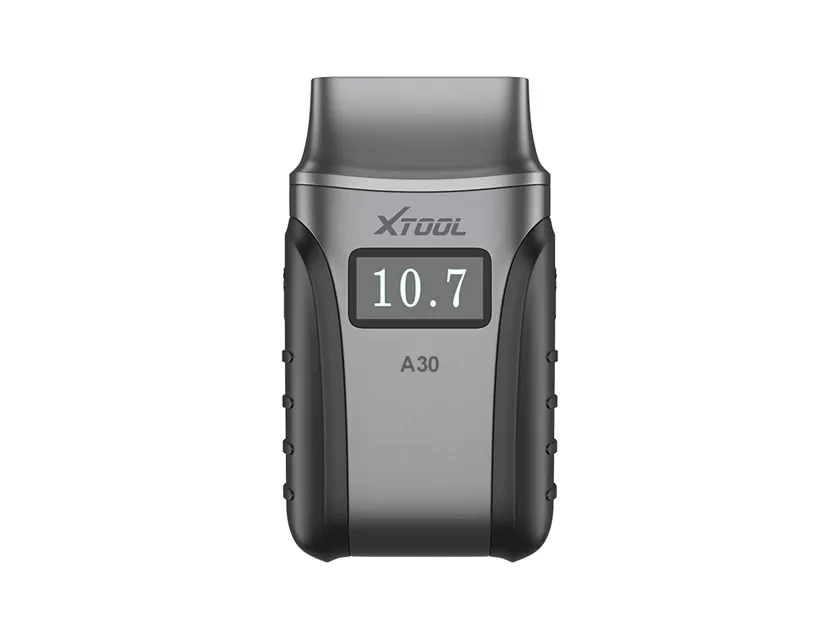
Connecting a diagnostic tool is usually simple because most consumer scanners are designed for quick setup. The device receives information directly from the vehicle through the OBD2 connection.
When using a code reader, follow these basic connection practices:
First, locate the diagnostic port and connect the scanner firmly. After the device is connected, turn the ignition switch to the ON position without starting the engine. This allows the scanner to communicate with the vehicle’s control modules.
Once communication is established, the scanner may ask for vehicle information such as the manufacturer, model year, or engine type. Some advanced tools automatically identify the vehicle.
After the connection is complete, you can access functions such as:
Reading stored trouble codes
Viewing pending codes
Checking vehicle data
Reviewing system information
Clearing codes after repairs
A reliable code reader for your car should provide stable communication and clear explanations of diagnostic results, making the process easier for beginners.
After connecting the scanner, the next step is understanding the information displayed on the screen. Different scanners may have different menus, but the basic process remains similar.
Select the diagnostic or scan function on the device. The scanner will communicate with the vehicle computer and search for stored trouble codes.
The scanner will display codes made up of letters and numbers, such as P0301 or P0420. These codes identify the system where the vehicle detected an abnormal condition.
Most scanners provide a basic description of each code. For example, a misfire-related code may indicate an issue involving ignition, fuel delivery, or engine operation.
Remember that a code does not always mean a specific component has failed. It only indicates where further inspection should begin.
Advanced diagnostic tools may provide live data, freeze frame information, and sensor readings. This information helps determine whether the problem is temporary or ongoing.
Always record the diagnostic results before deleting any stored codes. The information may be useful if the problem returns or if professional service is required.
Learning car code reader how to use correctly helps drivers avoid replacing parts unnecessarily and improves the accuracy of vehicle troubleshooting.
Although car code readers are easy to operate, beginners often make mistakes that can lead to incorrect conclusions. Understanding these common issues can help users get more accurate diagnostic results.
One of the biggest mistakes is treating a trouble code as a direct instruction to replace a specific component. A code usually identifies a system problem, not necessarily the failed part.
For example, an oxygen sensor-related code may be caused by the sensor itself, wiring problems, exhaust leaks, or other engine conditions.
Some users clear warning lights immediately after scanning. However, removing a code does not repair the underlying issue. If the problem remains, the warning light will likely return.
Diagnostic codes should be considered together with real vehicle symptoms. Engine noise, poor acceleration, fuel economy changes, or starting problems can provide important clues.
Not every scanner supports every vehicle function. Basic readers may handle standard engine codes, while advanced diagnostic tools provide access to additional systems and manufacturer-specific information.
Choosing the right code reader for car codes ensures better compatibility and more accurate diagnostic information.
Yes. Most modern car code readers are designed for beginners. Basic scanning usually involves connecting the device, starting a scan, and reviewing the displayed results.
No. A car code reader only provides diagnostic information. It helps identify possible problem areas but does not repair damaged components.
Most vehicles manufactured after 1996 support OBD2 scanning. However, available functions may vary depending on the vehicle brand, model, and scanner capabilities.
Yes. Properly connecting a compatible scanner to the OBD2 port is generally safe. Always follow the device instructions when connecting or disconnecting.
Many scanners can clear stored trouble codes. However, if the original problem has not been repaired, the warning light may appear again.
Use the code as a starting point for troubleshooting. Check the code description, inspect related components, and consider professional assistance if the issue is complex.