Select the XTOOL website you want to visit.
You will only be redirected after selecting a website.
When the Check Engine Light appears, many vehicle owners face the same question: What is causing the problem, and how serious is it? Modern vehicles are equipped with onboard diagnostic systems that monitor engine performance, emissions, transmission operation, and other electronic components. When the system detects an abnormal condition, it stores a diagnostic code that can provide valuable information about the possible issue.
Learning reading obd2 codes helps drivers better understand their vehicle’s condition without immediately relying on expensive diagnostic services. By using an OBD2 scanner, users can retrieve diagnostic information, understand what different codes represent, and make better decisions about repairs and maintenance.
Whether you are a beginner learning how to use an automotive scanner or an experienced DIY enthusiast, understanding obd2 diagnostic trouble codes is an important skill. This guide explains how OBD2 codes work, how to interpret them, and how they can be used for basic vehicle troubleshooting.
OBD2 codes are standardized diagnostic messages generated by a vehicle’s onboard computer when it detects a potential problem. These codes are also called Diagnostic Trouble Codes (DTCs), and they are designed to help identify which vehicle system requires attention.
Since 1996, most cars and light trucks have used the OBD2 system to monitor various components, including the engine, fuel system, emissions system, transmission, and electronic control modules. When sensors detect values outside normal operating ranges, the vehicle computer records a code and may activate a warning light.
For example, if an oxygen sensor provides abnormal readings, the vehicle may store a code related to the fuel or emissions system. However, the code does not always mean the sensor itself has failed. Instead, it points technicians and vehicle owners toward the area that needs further inspection.
Using an OBD2 scanner allows drivers to access these stored messages. Modern diagnostic tools can display not only basic codes but also additional information such as freeze frame data, live sensor readings, and system status.
Understanding fault codes obd2 is the first step toward accurate vehicle diagnosis because these codes provide a starting point for identifying possible causes instead of relying on guesswork.
Understanding reading codes on obd2 requires knowing how diagnostic scanners communicate with your vehicle and how the information is displayed. Most OBD2 scanners follow a similar process: they connect to the vehicle’s diagnostic port, communicate with the onboard computer, and retrieve stored trouble codes.
Connect the scanner to the vehicle
Locate the OBD2 port, usually under the driver’s side dashboard, and plug the scanner into the connector. Turn the ignition switch to the ON position so the scanner can communicate with the vehicle.
Start a diagnostic scan
Select the scan function on your device. The scanner will check the vehicle’s control modules and search for stored, pending, or permanent trouble codes.
Review the displayed codes
The scanner will show codes in formats such as P0301, P0420, or U0100. Each combination of letters and numbers represents a specific diagnostic category.
Check the code description
Many scanners provide basic explanations of the detected problem. Advanced tools can provide additional diagnostic information to help narrow down possible causes.
Save the results before clearing codes
Always record the retrieved information before deleting any codes. The data may be useful for future troubleshooting or professional repair.
When reading obd2 codes, it is important to remember that a code does not automatically identify a failed part. Instead, it indicates where the vehicle computer has detected an abnormal condition.
One of the most important parts of understanding all obd2 codes is learning what the first letter represents. Every OBD2 code begins with a letter that identifies the main vehicle system involved.
| Code Type | System | Common Issues |
|---|---|---|
| P Code | Powertrain | Engine, transmission, fuel system, ignition, emissions |
| B Code | Body | Airbags, climate control, interior electronics |
| C Code | Chassis | ABS, steering, suspension systems |
| U Code | Network Communication | Communication problems between control modules |
P codes are the most common diagnostic codes because they relate directly to engine and transmission operation. For example, a P0301 code indicates a cylinder misfire problem, while a P0420 code relates to catalytic converter efficiency.
B codes usually involve comfort and safety features, such as airbags or electronic controls inside the vehicle. C codes are related to chassis systems, including braking and steering components. U codes indicate communication problems between electronic control modules, often involving wiring, network connections, or module failures.
Knowing these categories makes it easier to understand what type of system is affected before beginning further diagnosis.
Not every OBD2 code has the same meaning across different vehicle brands. A key part of reading obd2 codes is understanding the difference between universal codes and manufacturer-specific codes.
| Code Type | Description | Example Prefix | Availability |
|---|---|---|---|
| Generic Codes | Standardized codes used across many vehicle brands | P0, B0, C0, U0 | Most OBD2 scanners can read them |
| Manufacturer-Specific Codes | Additional codes created by vehicle manufacturers | P1, B1, C1, U1 | May require advanced diagnostic tools |
Generic codes are designed to provide consistent information across different vehicles. For example, P0300 (random/multiple cylinder misfire) generally has the same meaning regardless of vehicle brand.
Manufacturer-specific codes provide deeper information about brand-specific systems. These codes may require more advanced diagnostic equipment because they are created by individual manufacturers for specialized functions.
A basic OBD2 scanner can usually read common obd2 scan tool codes, while professional diagnostic tools often provide access to more advanced systems and detailed manufacturer information.
The Check Engine Light is the most common reason drivers search for information about obd2 diagnostic trouble codes. When this warning appears, an OBD2 scanner can help identify the system that triggered the alert.
After connecting a scanner, users can retrieve stored and pending codes related to the engine and emissions systems. The scanner may also display additional information, such as engine temperature, fuel system status, and sensor performance at the moment the fault occurred.
For example, if a vehicle displays a fuel mixture-related code, the possible causes could include a vacuum leak, faulty sensor, fuel delivery issue, or another related problem. The code narrows down the search area but does not confirm the exact repair.
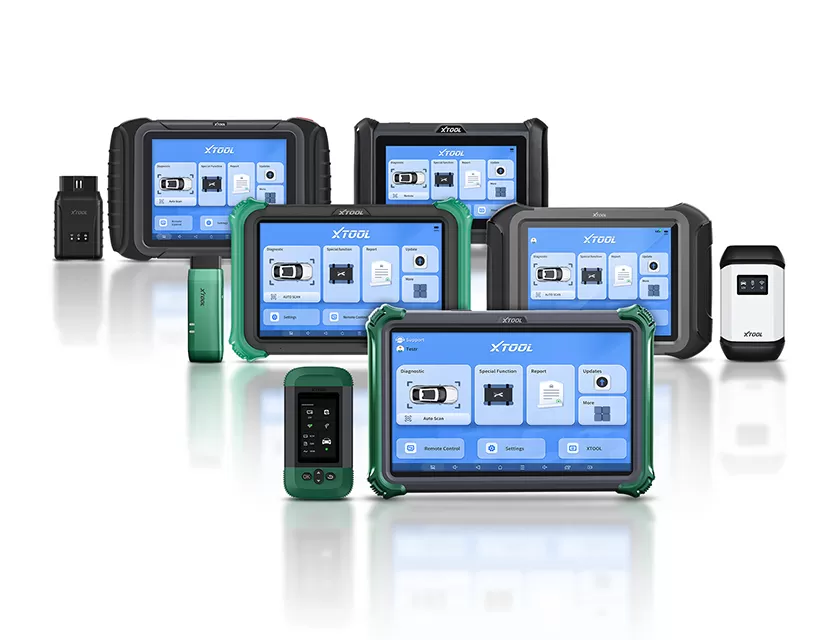
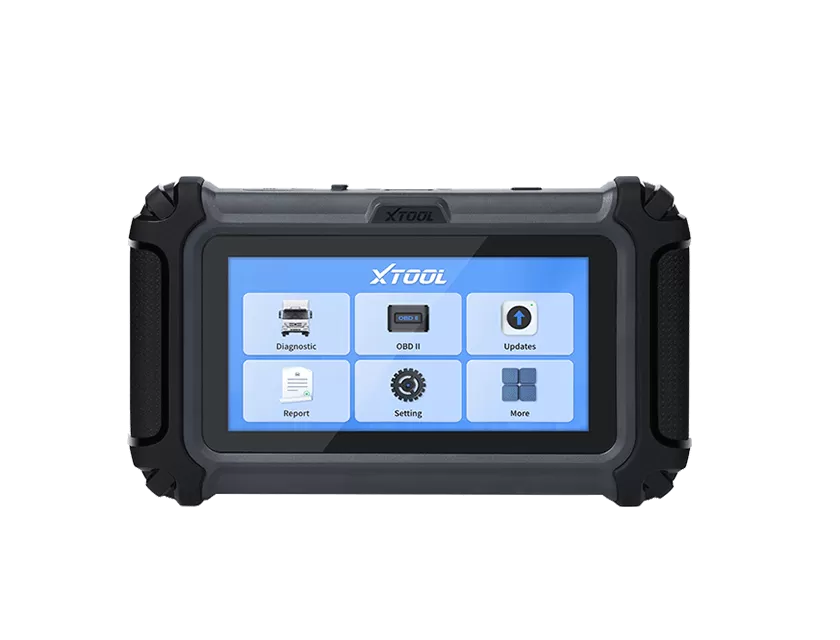
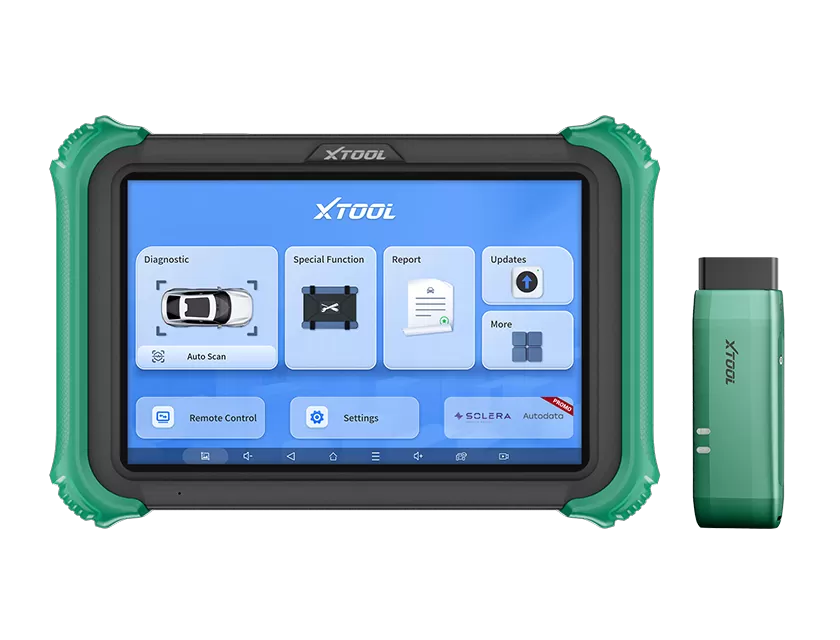
Advanced diagnostic tools from professional brands like XTOOL provide more detailed data analysis features, helping users better understand vehicle conditions beyond simple code descriptions.
OBD2 codes are most useful when combined with proper troubleshooting methods. After retrieving a code, vehicle owners should focus on understanding the system involved rather than immediately replacing parts.
A good troubleshooting approach starts by checking the code description and comparing it with actual vehicle symptoms. For example, an engine performance code combined with rough idling, poor acceleration, or reduced fuel economy can provide additional clues about the possible cause.
Basic troubleshooting usually includes:
Reviewing the code meaning and related systems
Checking visible problems such as loose connectors or damaged wiring
Inspecting common components related to the detected issue
Using live data when available to compare sensor readings
Confirming repairs after fixing the problem
It is also important to avoid clearing codes before recording the information. Stored codes and freeze frame data can provide valuable evidence about what happened when the problem occurred.
Using fault codes obd2 correctly allows drivers to diagnose more efficiently and communicate more effectively with professional technicians when additional repairs are required.
Yes. Basic reading obd2 codes is simple enough for most vehicle owners. A compatible scanner and basic understanding of code categories are usually enough to identify common issues.
No. OBD2 codes identify the system or condition where a problem was detected, but additional testing may be required to confirm the exact faulty component.
There are thousands of possible diagnostic codes covering different vehicle systems, including engine, transmission, body, chassis, and communication networks.
Most OBD2 scanners allow users to clear stored codes. However, clearing a code without fixing the underlying issue may cause the warning light to return.
Basic scanners can read common generic codes, while advanced diagnostic tools may support more vehicle systems, manufacturer-specific codes, and additional functions.
No. A code should be used as a diagnostic starting point. Always consider vehicle symptoms, inspection results, and professional advice before replacing components.