Select the XTOOL website you want to visit.
You will only be redirected after selecting a website.
Choosing a GM key programming tool requires more than confirming that the device supports General Motors vehicles. Key programming capabilities can vary by model year, market, immobilizer system, software version, and the type of service being performed.
For automotive locksmiths and independent repair workshops, checking these details before purchasing equipment helps avoid unsupported jobs, unnecessary travel, and customer delays. XTOOL offers professional automotive key programmers, including the X100PAD ELITE2, but buyers should verify the exact vehicle and function coverage required for their business.
GM key programming tool coverage refers to the specific vehicles, model years, immobilizer systems, and authorized key-programming functions supported by a particular tool and software configuration.
General Motors vehicles do not all use identical security systems or programming procedures. Two vehicles from the same brand may require different procedures, software access, or equipment depending on their model year and configuration.
Start by recording the vehicle's make, model, model year, market, and VIN. The NHTSA VIN Decoder can help verify basic vehicle information reported by manufacturers for supported vehicles. Its database covers model years 1981 onward, but identifying a vehicle does not establish key-programming compatibility.
Next, check the relevant manufacturer's service information and the tool's current function list. Do not assume that support for one Chevrolet, GMC, Buick, or Cadillac model automatically confirms support for every vehicle from that brand.
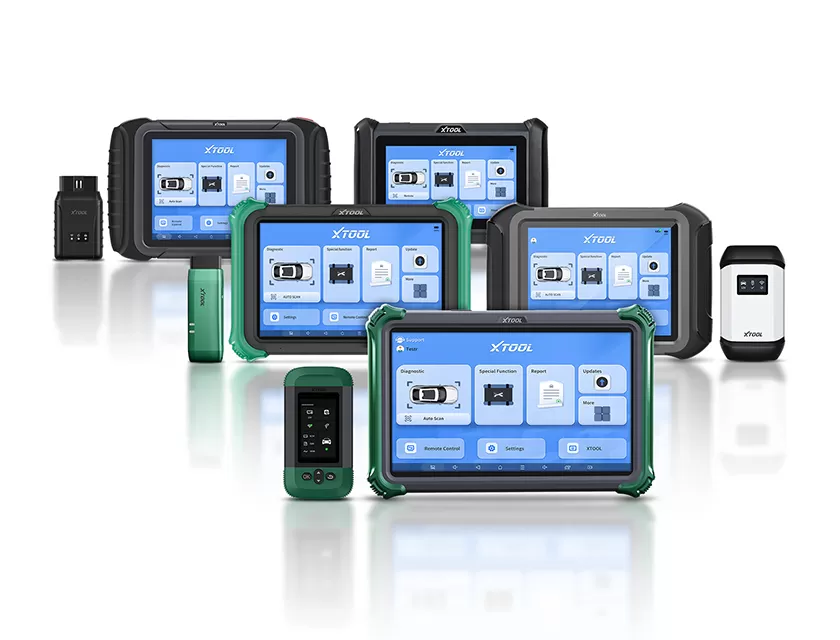
XTOOL's automotive key programmer range provides a starting point for comparing equipment with your workshop's vehicle coverage and service requirements.
Add-key programming and all-keys-lost programming are different service scenarios that may require different levels of vehicle compatibility, security authorization, and procedural support.
An add-key job typically involves an existing working key, whereas an all-keys-lost job begins without an available working key. The required procedure depends on the vehicle's security architecture and the manufacturer's instructions.
| Verification factor | Add-key service | All-keys-lost service |
|---|---|---|
| Existing working key | Typically available | No working key available |
| Vehicle identification | Required | Required |
| Immobilizer procedure | Confirm the supported method | Confirm the specific recovery and registration method |
| Security authorization | Follow applicable requirements | Follow applicable requirements |
| Tool compatibility | Verify the exact vehicle and function | Verify the exact vehicle and function independently |
| Before accepting the job | Confirm the procedure and required accessories | Confirm the procedure, credentials, and additional requirements |
Never assume that a tool supporting add-key operations also supports all-keys-lost operations for the same vehicle. Both capabilities should be verified independently.
For U.S. locksmiths, the National Automotive Service Task Force (NASTF) explains its Vehicle Security Professional (VSP) registration requirements for certain security-related services, including key programming and access to immobilizer information. Applicability depends on the service and access involved.
Key programmer comparison is the process of matching a device's documented functions, vehicle support, accessories, and software arrangements to the jobs a locksmith actually performs.
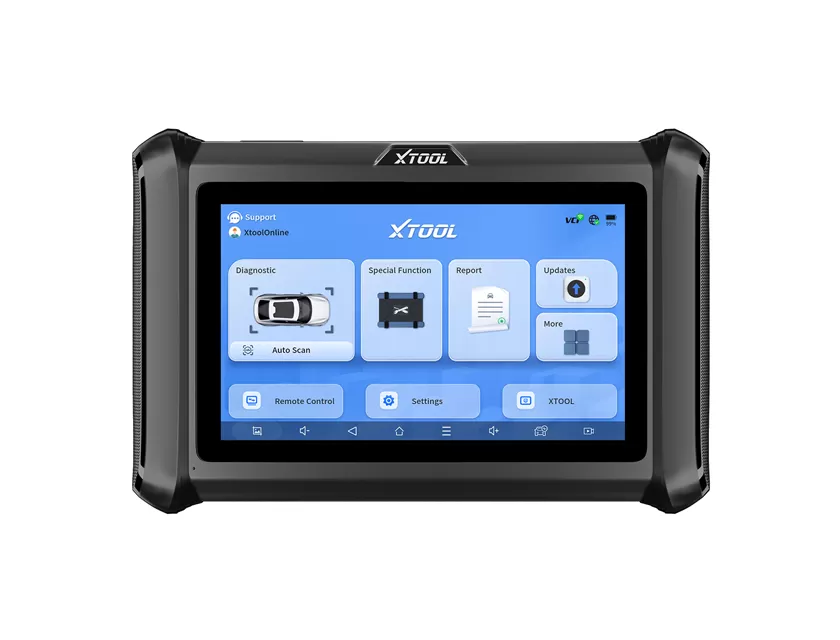
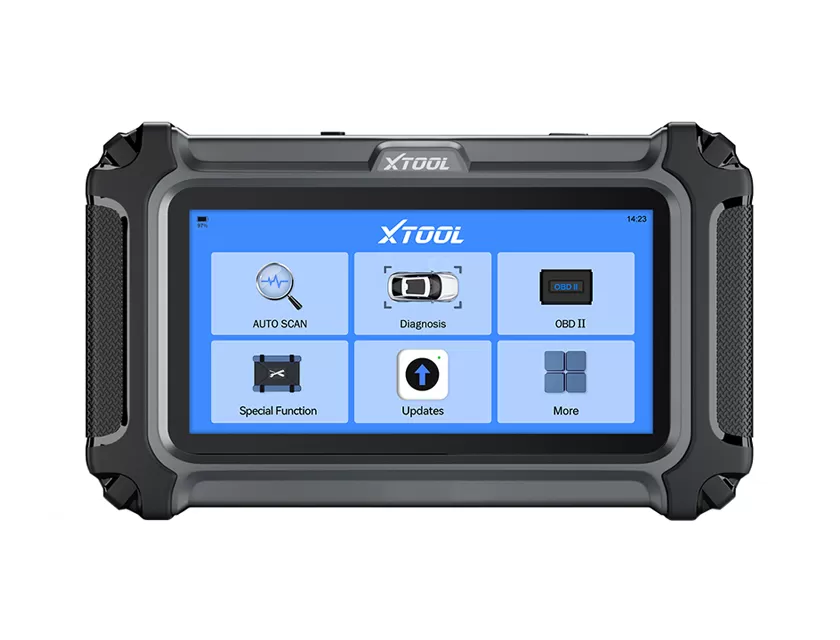
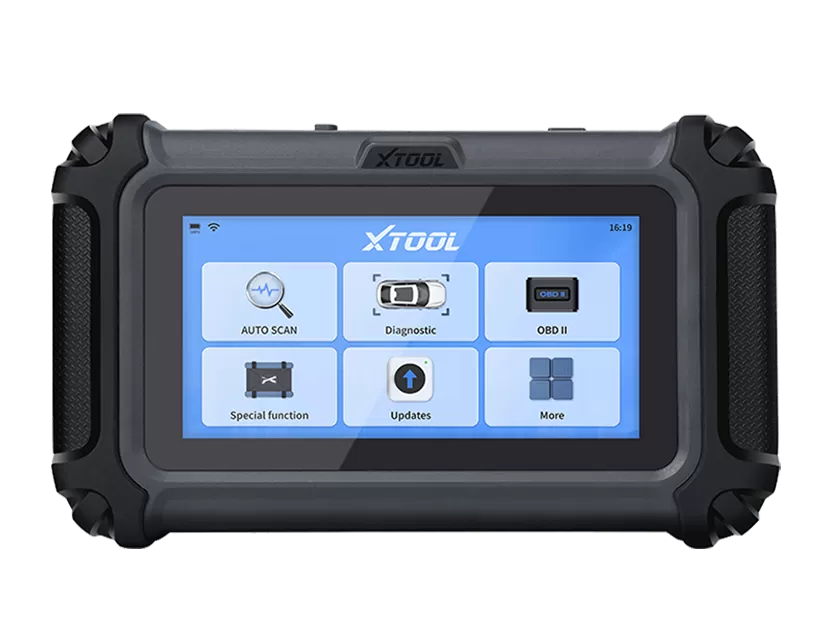
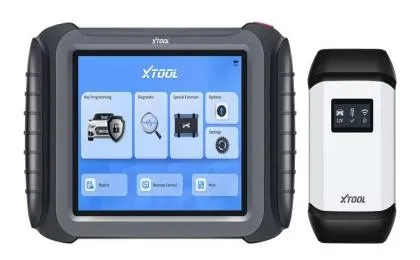
The XTOOL X100PAD ELITE2 is a professional key-programming and diagnostic tablet. Its published specifications include an 8-inch display and two years of free software updates. XTOOL also lists add-key and all-keys-lost capabilities, but those general product features do not guarantee support for every GM vehicle or model year.
Before purchasing a professional car key programmer, compare the available evidence rather than relying solely on a general brand-coverage statement.
| Evaluation factor | What to confirm |
|---|---|
| Vehicle coverage | Exact GM model, year, and market |
| Job type | Add key, all keys lost, or another supported service |
| Immobilizer function | Specific operation documented for the target vehicle |
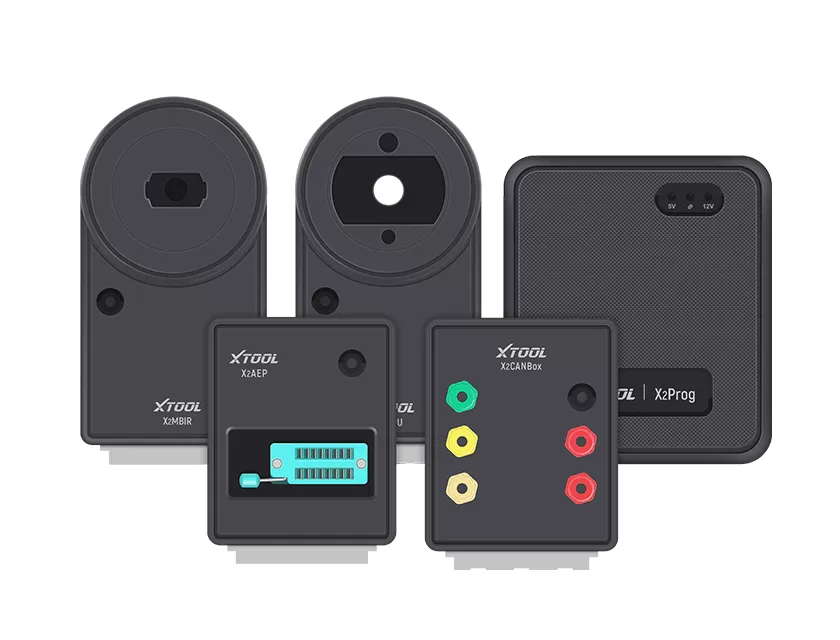
| Accessories | Required cables, adapters, or additional modules |
| Software | Current version and relevant update requirements |
| Security requirements | Applicable credentials and authorized access |
Review the XTOOL X100PAD ELITE2 and request confirmation of the exact GM functions you need. Check the XTOOL vehicle and function lists as part of the verification process.
A GM key-programmer purchase checklist is a record of the vehicle coverage, service requirements, security obligations, and technical support needed before equipment is selected.
Before requesting a quotation, prepare a list of your most frequently serviced GM vehicles, including model years and markets. Identify the proportion of add-key and all-keys-lost jobs, then ask the supplier to confirm supported functions and required accessories for those specific vehicles.
For manufacturer-specific procedures and programming requirements, ACDelco Technical Delivery System provides General Motors service information, diagnostic resources, and service programming options for the automotive aftermarket. The applicable information and subscription requirements should be confirmed for each job.
A useful supplier inquiry should include the target vehicle details, intended service, tool model under consideration, and any known software or authorization requirements. Ask for written confirmation where compatibility is uncertain.
For security-sensitive work, verify vehicle ownership and follow the applicable authorization procedures. A suitable tool is only one part of a compliant and professional locksmith workflow.
Selecting a GM key programming tool requires vehicle-specific verification, not simply a general claim of GM coverage. Model year, market, immobilizer system, job type, software support, and security requirements can all affect whether a particular operation is supported.
XTOOL recommends checking the current function list and confirming compatibility before accepting a customer job or purchasing equipment. By preparing your vehicle coverage requirements and distinguishing add-key services from all-keys-lost jobs, you can make a more informed equipment decision and reduce avoidable service delays.
No. Coverage can vary by vehicle, model year, market, and immobilizer system. Verify the exact vehicle and required function before purchasing or performing the service.
No. They represent different service scenarios, and support for one does not automatically establish support for the other. Check each function separately.
Do not assume universal coverage. Confirm the specific vehicle application, security system, software requirements, and any additional accessories.
Record the VIN and vehicle details, then use manufacturer information and applicable service documentation. A VIN decoder can help identify the vehicle but cannot independently confirm key-programming support.
No. Updates may introduce or revise functions, but coverage must be confirmed against the actual device, software version, vehicle, and service operation.
Provide the GM make, model, year, market, intended service type, and proposed tool model. Follow applicable ownership-verification and security-authorization requirements before performing key-related work.