Select the XTOOL website you want to visit.
You will only be redirected after selecting a website.
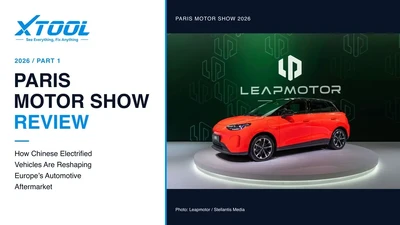
The global EV market is still expanding, but record sales tell only half the story. Electric vehicles are becoming more affordable, Chinese-built models are reaching a wider range of markets, and regional adoption is moving at very different speeds. For the automotive aftermarket, this creates a practical challenge: more EVs on the road also means more battery systems, high-voltage components, and unfamiliar vehicle platforms arriving at local workshops.
The next phase of the EV transition will not be shaped by vehicle sales alone. It will also depend on whether the service industry is ready to diagnose, maintain, and repair a rapidly diversifying global fleet.
- Global electric car sales exceeded 20 million in 2025, accounting for one in four new cars sold.
- EV growth is spreading beyond China and Europe into Southeast Asia, Latin America, and other emerging markets.
- Workshops need a complete EV service workflow, not just a scan tool that reads fault codes.
According to the International Energy Agency's Global EV Outlook 2026, electric car sales grew 20% in 2025 and surpassed 20 million units worldwide. The IEA expects sales to reach approximately 23 million in 2026, equal to 28% of the global car market.
The headline number is impressive, but the regional picture matters more for aftermarket businesses. The IEA expects European EV sales to grow by around 20% in 2026, while electric cars could approach 60% of new-car sales in China. Sales in Asia-Pacific markets outside China are projected to rise by more than 50%, with Latin America growing by 45%. The United States, meanwhile, continues to follow a different path as policy changes affect demand.
There is no single global EV market moving at one speed. Local adoption still depends on vehicle prices, incentives, charging access, and energy costs. Yet the overall direction is clear: EV service demand is spreading into more countries and more types of repair businesses.
Higher sales do not necessarily mean easier profits for automakers. Reporting from The Times highlights how record UK electric car sales have been supported by costly manufacturer discounts. Competitive pricing can accelerate adoption, but it also brings more brands, platforms, and powertrain designs into the market.
Vehicle exports are adding another layer of complexity. The IEA reports that China's electric car exports more than doubled year over year in the first quarter of 2026. Reuters has connected this export growth with early changes in global gasoline trade, suggesting that the impact of Chinese EVs is beginning to extend beyond the automotive sector.
For distributors, dealerships, and independent workshops, this trend has an immediate consequence. Technicians will encounter a broader mix of battery architectures, communication protocols, and high-voltage systems. Equipment designed mainly for internal combustion vehicles will not cover the full service process.
Professional EV repair begins with system diagnostics, but it does not end there. A workshop may need to assess battery state of charge and state of health, compare individual cell voltages and temperatures, analyze live data, test an onboard charger or DC-DC converter, balance battery modules, and verify that a repaired battery enclosure is properly sealed.
These tasks are closely connected. If they rely on separate tools, software environments, and support channels, technicians lose time moving between systems and may struggle to build a repeatable service process. A practical EV solution should therefore support the entire journey from fault identification to post-repair verification.
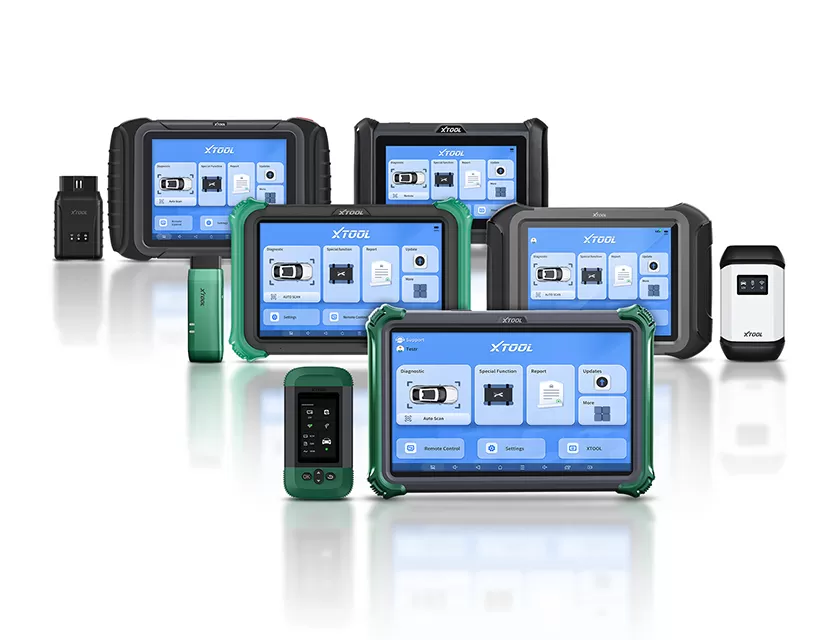
XTOOL brings vehicle diagnostics, battery analysis, battery maintenance, component testing, and safety inspection together in a one-stop EV service solution designed for professional workshops.
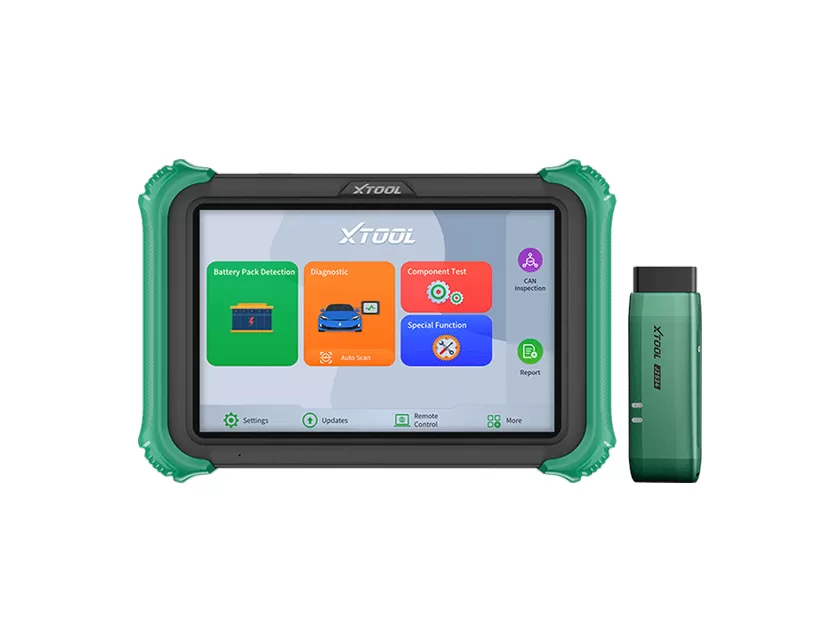
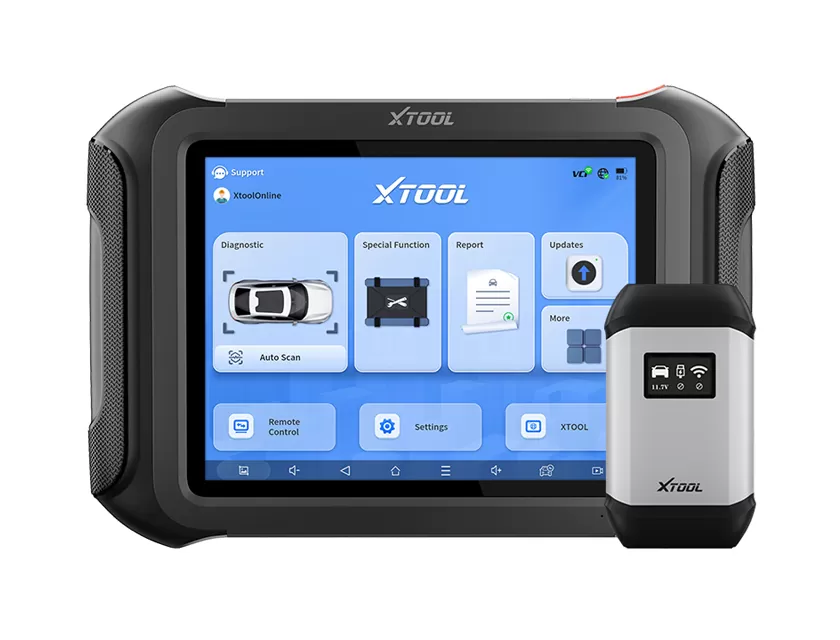
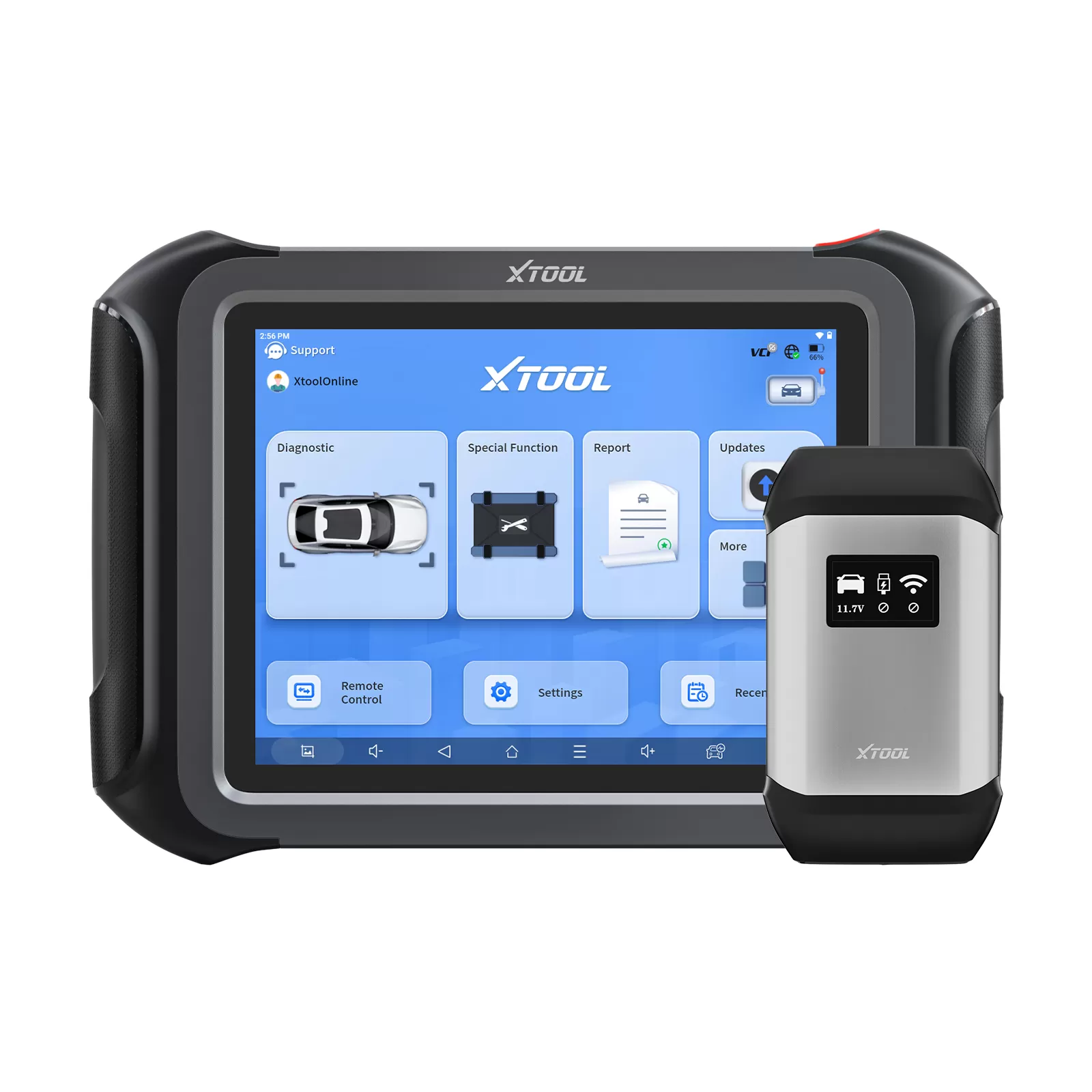
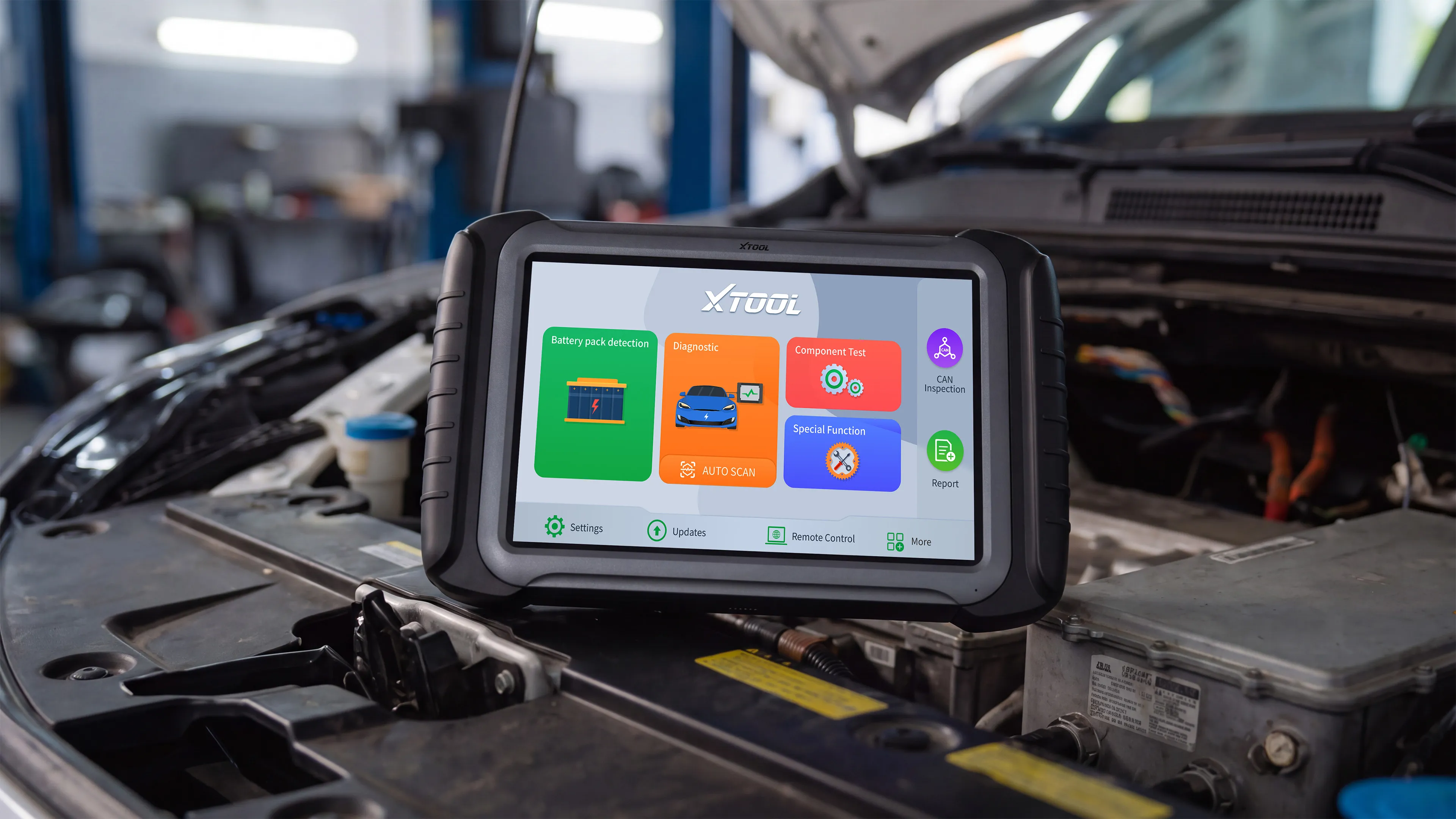
At the diagnostic stage, the XTOOL E2 Pro supports CAN FD and DoIP communication, full-system vehicle diagnostics, battery pack testing, and BMS repair. According to XTOOL's passenger EV diagnostic solution, E2 Pro provides full-system coverage for more than 95% of EV models, battery pack diagnostics for over 4,000 models, and access to more than 1,600 high-definition OEM wiring diagrams. It can also perform off-vehicle testing of DC-DC converters, onboard chargers, and electric compressors.
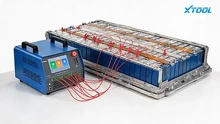
For battery maintenance, the BEC2440 Lithium Battery Charge-Discharge Balancer supports charging and discharging at up to 20A, helping technicians address battery consistency issues. The BEC0130 Lithium Battery Cell Charge-Discharge Unit provides up to 30A for individual large-capacity cells, supporting more efficient work on cell imbalance and capacity degradation.
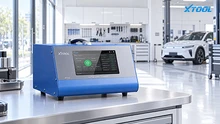
After battery pack repairs, the AT02 Digital Airtightness Tester helps technicians verify enclosure sealing performance. Together, these tools create a connected workflow: diagnose the vehicle, locate the fault, service the battery or component, and complete a post-repair safety check.
EV adoption will continue to respond to policy, pricing, and energy-market changes. The growing number of electric vehicles already in operation, however, creates a long-term need for battery health assessment, high-voltage diagnostics, and professional repair.
For workshops, preparing for that demand takes more than adding another scan tool. It requires a service process that technicians can learn, repeat, and scale across different vehicles. XTOOL's one-stop EV solution connects the essential stages of that process, helping repair businesses build EV capability and participate in the next phase of global aftermarket growth.
Explore XTOOL's EV diagnostic and repair equipment at the XTOOL official website, or contact the XTOOL team for a solution matched to your workshop or distribution business.
Market data and forecasts were current as of August 6, 2026. Vehicle coverage and product functions may change through software updates and model configurations. Refer to the latest XTOOL function lists and product documentation before purchase or service planning.
Writer: Anastasia ZHANG