Select the XTOOL website you want to visit.
You will only be redirected after selecting a website.
For many new automotive technicians, a diagnostic scanner is simply a tool for reading and clearing fault codes. However, modern vehicles are becoming more complex, with more electronic systems, advanced functions, and new energy technologies.
Today’s diagnostic scanners do much more than identify warning lights. They help technicians understand vehicle conditions, find the root cause of problems, and make more accurate repair decisions.
For beginners entering the automotive repair industry, understanding the key functions of a diagnostic scanner is an important step toward improving diagnostic skills.
Fault code reading is one of the most basic functions of a diagnostic scanner.
When a vehicle detects an abnormal condition, the ECU stores a Diagnostic Trouble Code (DTC). A scanner can communicate with different vehicle modules and retrieve information from systems such as:
· Engine
· Transmission
· ABS
· Airbag
· Battery systems
However, fault codes are only the beginning of diagnosis. A code can indicate which system has a problem, but it does not always tell technicians the exact cause.
Professional diagnostic scanners provide additional information, including fault descriptions and related data, helping technicians avoid unnecessary part replacement.
Fault codes show where a problem may exist, while live data helps technicians understand what is actually happening inside the vehicle.
Live data allows technicians to monitor real-time information from sensors and control modules.
Common parameters include:
· Engine RPM
· Fuel trim
· Coolant temperature
· Sensor readings
For electric vehicles, technicians can also check:
· Battery voltage
· SOC (State of Charge)
· SOH (State of Health)
· Battery cell data
By analyzing real-time changes, technicians can identify abnormal conditions faster and improve diagnostic accuracy.
Basic scanners mainly read vehicle information, while advanced diagnostic tools can also send commands back to the vehicle.
This function is called active testing or bidirectional control.
Technicians can use it to test components such as:
· Fuel pumps
· Cooling fans
· Valves
· Motors
Instead of replacing parts based on assumptions, technicians can directly check whether a component responds correctly.
This helps reduce repair time, lower costs, and improve diagnostic confidence.
A professional diagnostic scanner is not only for troubleshooting. It can also help technicians complete common maintenance procedures.
Examples include:
· Oil Reset
· Battery Registration
· EPB Reset
· ABS Bleeding
· DPF Regeneration
These functions allow independent repair shops to handle more service tasks with fewer tools, improving efficiency and expanding service capabilities.
With the growth of electric vehicles and intelligent driving technologies, automotive repair is becoming more focused on electronics and data.
Modern diagnostic scanners support advanced applications such as:
· EV battery diagnostics
· ECU communication
· ADAS calibration
· Vehicle network analysis
For example, electric vehicle repair requires technicians to understand battery systems, electronic control units, and high-voltage components.
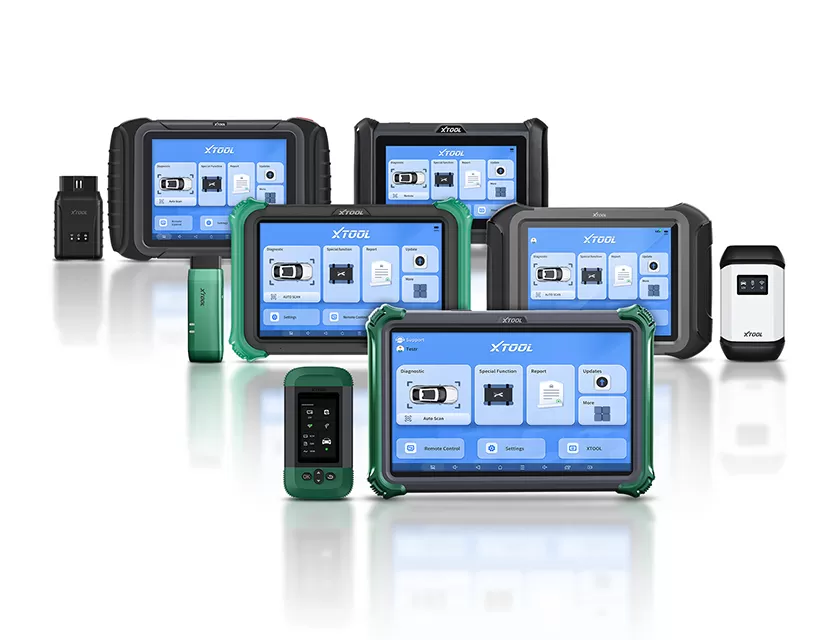
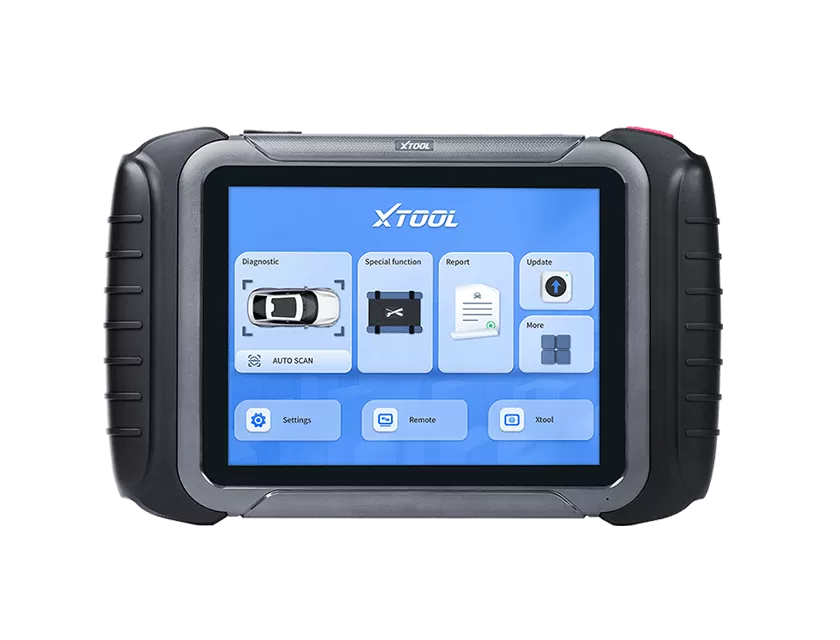
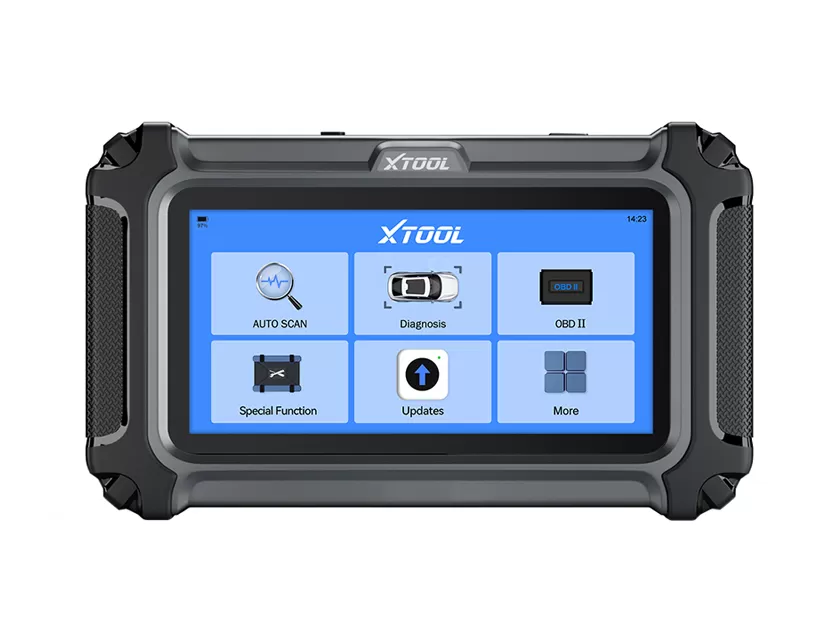
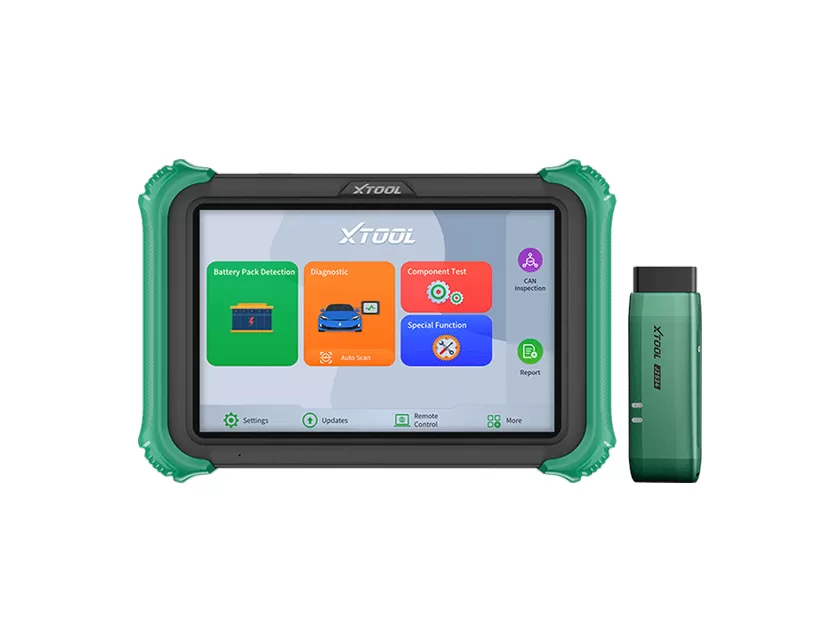
Solutions like XTOOL E2 Pro and Prodigy provide comprehensive diagnostic capabilities for both traditional vehicles and new energy vehicles, helping technicians adapt to modern repair challenges.
How to Choose a Diagnostic Scanner as a New Technician?
When choosing a diagnostic scanner, beginners should consider more than just the number of supported vehicle models.
Choose a tool that supports a wide range of brands, systems, and new vehicle technologies.
Important features include:
· Full-system diagnostics
· Live data
· Bidirectional control
· Special service functions
To make the choice easier, here is a simplified comparison of three XTOOL diagnostic scanners for new technicians:
Model | Prodigy | Compass Master | E2 Pro |
Display | 13.3" | 10.1" | 10.1" |
OS | Android 10 | Android 10 | Android 10 |
AI Assistant | Yes | Yes | Yes |
CAN FD + DoIP | Yes | Yes | Yes |
SAE-J2534 | Yes | Yes | No |
Full-System Diagnostics | Yes | Yes | Yes |
Live Data | Yes | Yes | Yes |
Bidirectional Control / Component Test | Yes | Yes | Yes |
Battery Pack Detection | Yes | Yes | Yes |
Pre/Post-Scan Report | Yes | Yes | Yes |
Special Functions | 53 | 53 | 55 |
IMMO Package | Optional | Optional | Optional |
SOH Function | Optional | Optional | Optional |
Best For | Advanced diagnostics | Daily workshop use | Compact EV-focused diagnostics |
Since vehicle technology continues to evolve, regular software updates and expanded functions are important for long-term use.
A modern diagnostic scanner is no longer just a fault code reader. It is a powerful tool that helps technicians analyze vehicles, locate problems, and improve repair efficiency.
For new technicians, learning how to use diagnostic tools effectively is an essential skill for working in today’s automotive industry.
With the right diagnostic solution, technicians can diagnose faster, repair more accurately, and provide better service for customers.
Looking for a professional diagnostic scanner for your workshop? Explore XTOOL’s advanced diagnostic solutions designed for modern automotive technicians.