Select the XTOOL website you want to visit.
You will only be redirected after selecting a website.
Reading fault codes is often the first step in vehicle diagnosis. But finding the problem does not always mean the repair is complete.
After replacing a battery, for example, a technician may need to register the new battery with the vehicle's system. After brake service, the electronic parking brake may need to enter or exit maintenance mode. Steering system repairs may also require steering angle sensor calibration.
These procedures go beyond reading and clearing diagnostic trouble codes. They require specific operations through diagnostic software.
This is where automotive diagnostic special functions come in. They help technicians perform essential reset, calibration, coding, and service procedures during everyday vehicle repairs.
Automotive diagnostic special functions are software-based operations designed to support specific vehicle maintenance and repair procedures.
Unlike basic diagnostics, which mainly focus on reading ECU information, checking live data, and identifying fault codes, special functions allow technicians to perform additional operations through the vehicle's electronic control systems.
Depending on the vehicle and software coverage, these operations may include:
Resetting maintenance reminders
Registering a replacement battery
Calibrating steering angle sensors
Performing electronic parking brake service
Coding fuel injectors
Initiating diesel particulate filter regeneration
In short, basic diagnostics help technicians identify problems, while special functions help them complete the procedures required during and after repairs.
Different repair jobs require different diagnostic operations. Here are some common examples found in automotive workshops.
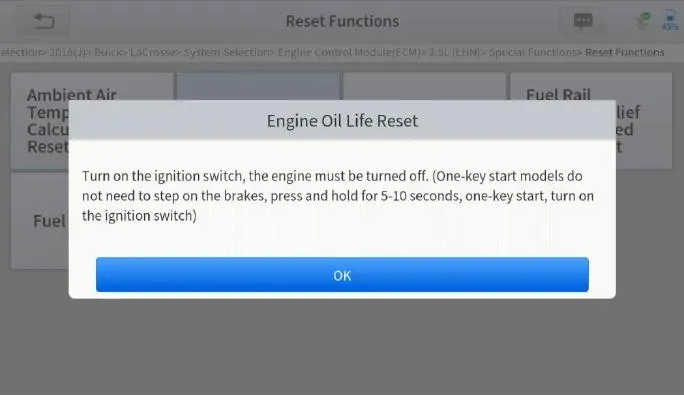
Oil Reset
After an oil change, the vehicle's oil service reminder may need to be reset. The Oil Reset function allows technicians to reset the maintenance indicator so the vehicle can track the next service interval.
BMS Reset
BMS stands for Battery Management System. In conventional vehicles, a BMS Reset function may be used to register or reset the vehicle's low-voltage battery management system after battery replacement.The exact procedure depends on the vehicle. This function should not be confused with diagnostics for high-voltage EV traction batteries.
EPB
EPB stands for Electronic Parking Brake. During brake pad replacement or other related maintenance, technicians may need to release or retract the electronic parking brake and activate the appropriate maintenance mode.
ABS Bleeding
ABS stands for Anti-lock Braking System. When air enters the brake hydraulic system, some vehicles require a diagnostic procedure to activate the ABS pump and valves during bleeding. The exact process depends on the vehicle manufacturer's instructions.
SAS
SAS stands for Steering Angle Sensor. After certain steering or suspension repairs, or wheel alignment procedures, the steering angle sensor may need to be calibrated to ensure the vehicle's electronic systems receive accurate steering angle information.
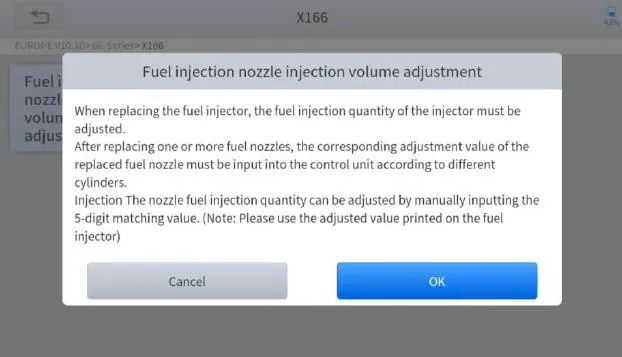
Injector Coding
Fuel injectors may have individual identification codes that need to be entered into the engine control unit after injector replacement on supported vehicles. Injector Coding helps match the replacement injector's code with the vehicle's ECU.
DPF Regeneration
DPF stands for Diesel Particulate Filter. DPF Regeneration helps burn accumulated soot in the filter under the conditions specified by the vehicle manufacturer. The procedure requires the vehicle to meet certain operating and safety conditions.
TPMS Reset
TPMS stands for Tire Pressure Monitoring System. After tire pressure adjustments, sensor replacement, or related maintenance, some vehicles require a reset or relearning procedure so the system can recognize the correct tire pressure information.
The specific procedure varies by vehicle. A TPMS reset is not necessarily the same as activating or programming a TPMS sensor.
Many modern vehicles rely on electronic control systems to manage essential components and maintenance information. As a result, replacing a part or completing a mechanical repair may not be the final step.
A battery replacement may require registration. Brake maintenance may involve electronic parking brake operations. Steering repairs may require sensor calibration.
Without the appropriate procedure, a repair may remain incomplete or a warning message may continue to appear.
For technicians, having access to the right diagnostic functions means fewer interruptions between diagnosis and repair. It also helps bring mechanical work and electronic system operations together in one workflow.
However, special function availability varies by vehicle make, model, year, and software coverage. Technicians should always check compatibility and follow the vehicle manufacturer's repair instructions.
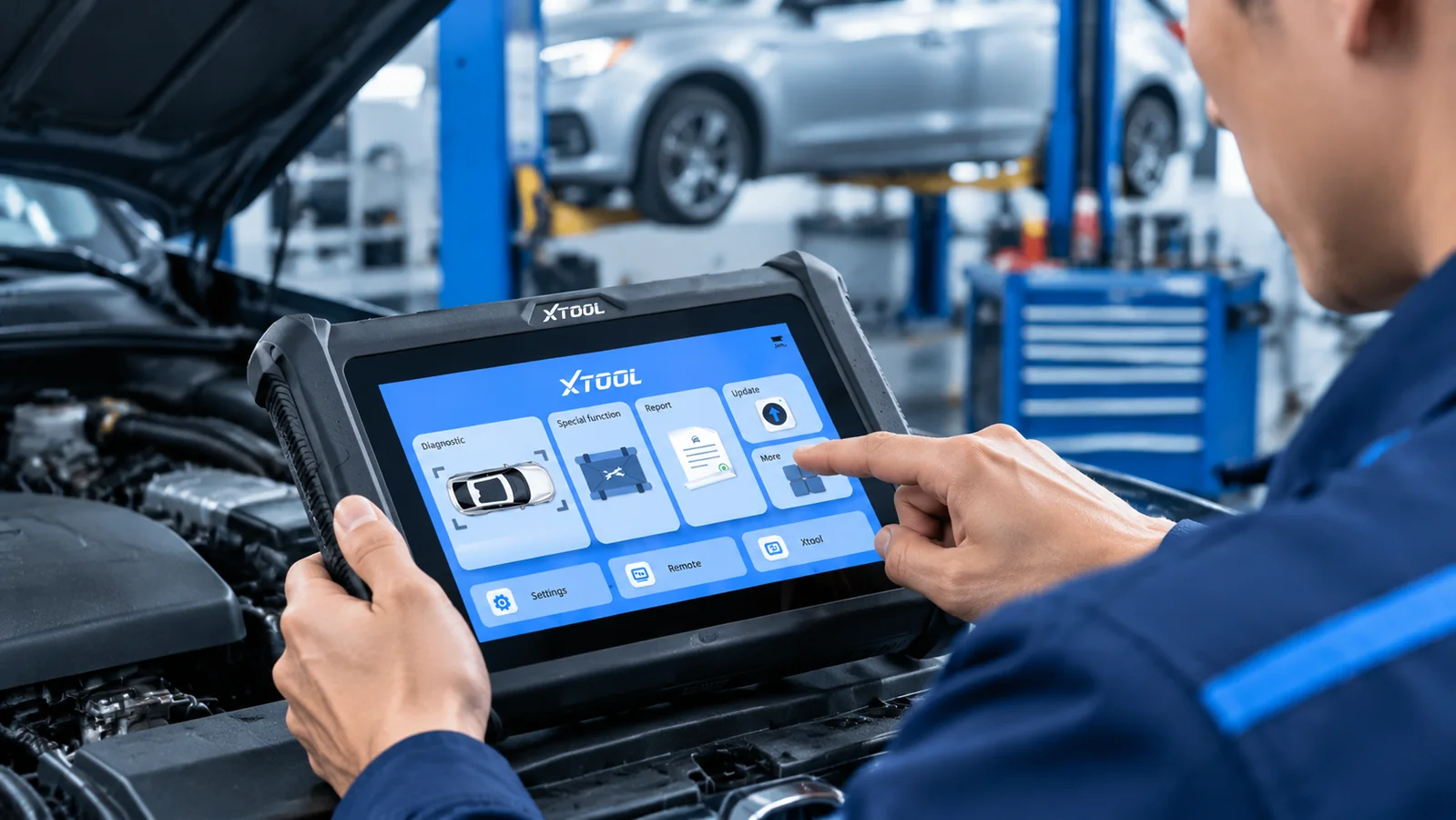
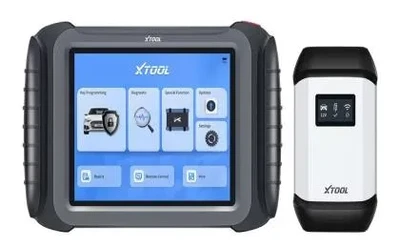
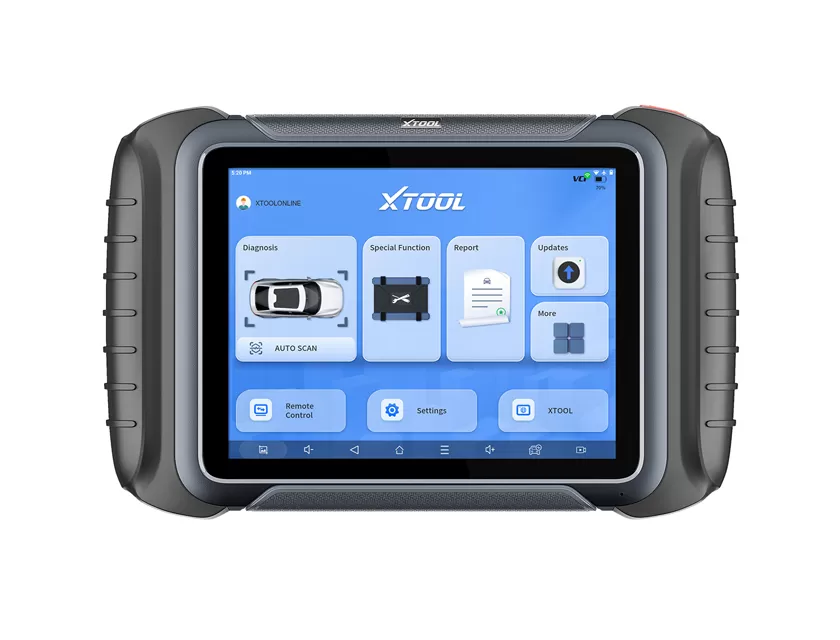
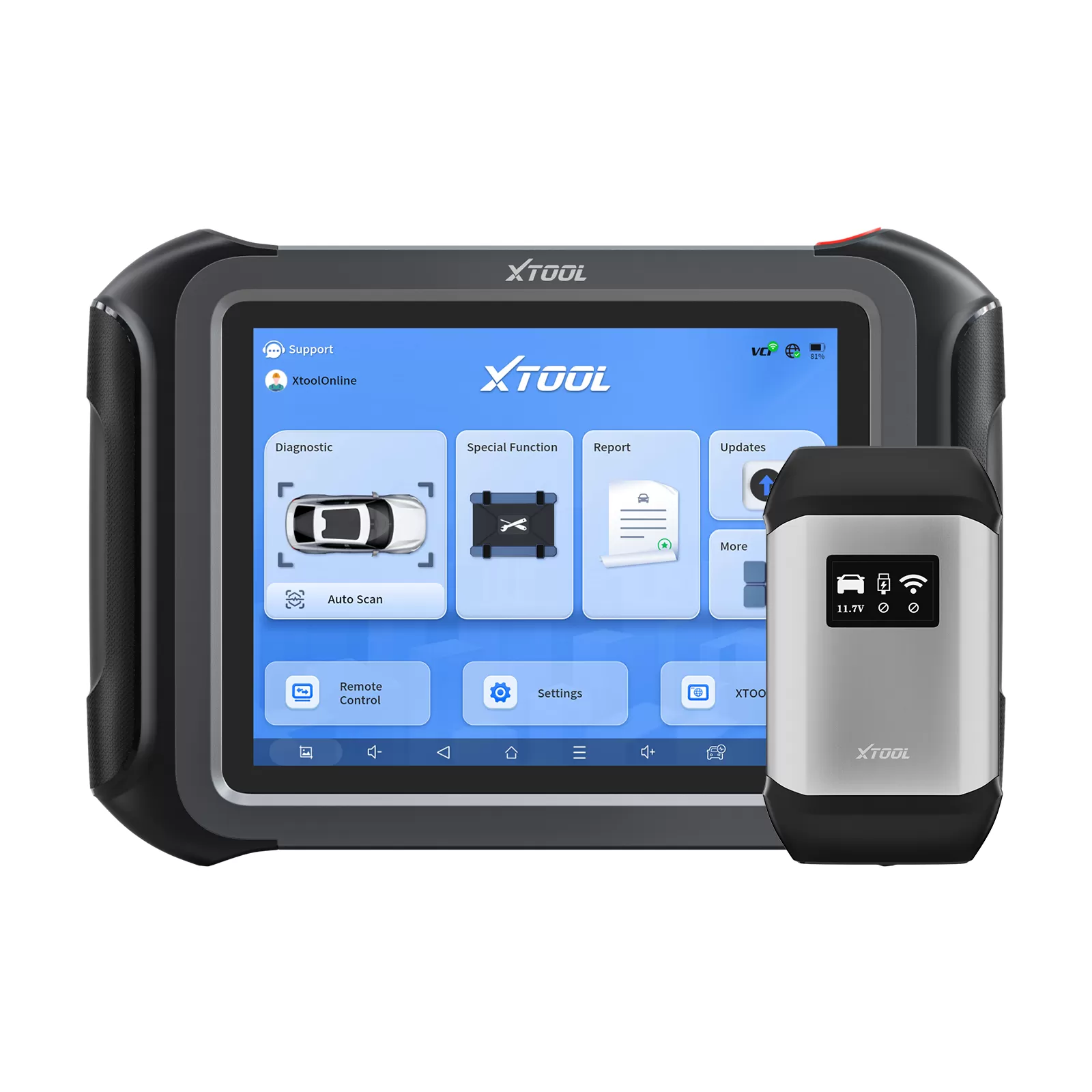
The XTOOL XT70W Smart Diagnostic System combines essential diagnostic capabilities with a selection of commonly used special functions.
In addition to basic diagnostic operations such as reading ECU information, reading and clearing DTCs, viewing live data, and accessing supported vehicle control systems, XT70W provides the following special functions:
ABS Bleeding
Oil Reset
EPB
SAS
BMS Reset
Injector Coding
DPF Regeneration
TPMS Reset
These functions support a range of everyday maintenance and repair procedures, helping technicians handle more than fault code reading alone.
Actual function availability depends on vehicle compatibility, model year, and software coverage.
Vehicle technology continues to evolve, and diagnostic requirements change along with it. New models enter the market, electronic systems become more complex, and repair procedures are updated.
That makes software updates an important part of keeping diagnostic equipment useful in the workshop.
XTOOL releases software updates every month to expand vehicle coverage, introduce additional functions, and improve existing diagnostic capabilities. These updates cover different areas, including basic diagnostics, bi-directional tests, special functions, key programming, and EV diagnostics.
To learn how to update your XTOOL diagnostic device, visit the XTOOL Software Upgrade Guide.
Modern vehicle repair involves more than identifying fault codes. From battery registration and brake service to sensor calibration and emission system maintenance, many jobs require additional electronic procedures before the repair can be considered complete.
Understanding automotive diagnostic special functions helps technicians see the bigger picture: diagnosis identifies what needs attention, while the right service procedures help bring the repair to completion.With continuous software development and expanding vehicle coverage, diagnostic tools can keep pace with the changing needs of modern workshops.
written by echo chan