Select the XTOOL website you want to visit.
You will only be redirected after selecting a website.
When a warning light appears on your dashboard, it can be difficult to know whether the problem is minor or requires immediate repair. Modern vehicles rely on advanced electronic systems to monitor engine performance, emissions, safety features, and other functions. A car code reader provides a convenient way to understand these problems by accessing diagnostic information stored inside the vehicle’s computer system.
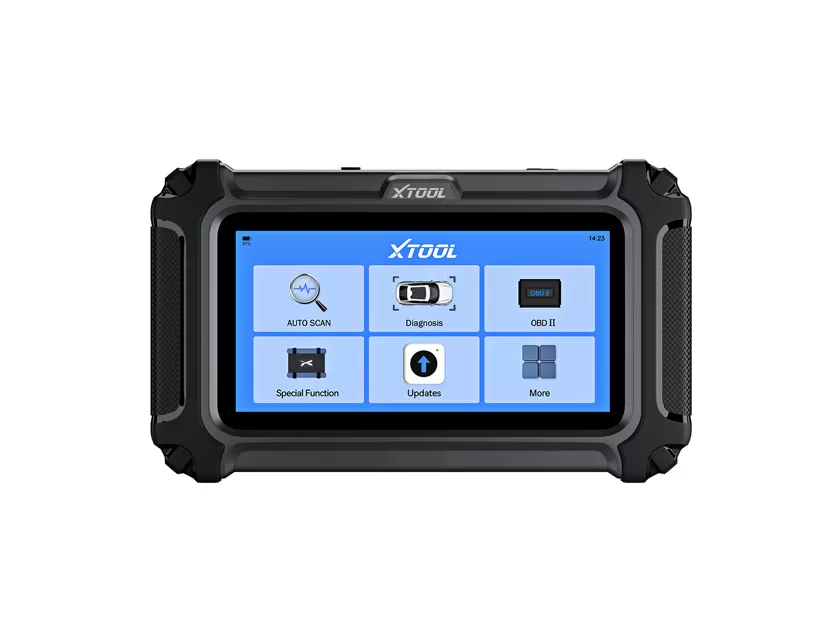
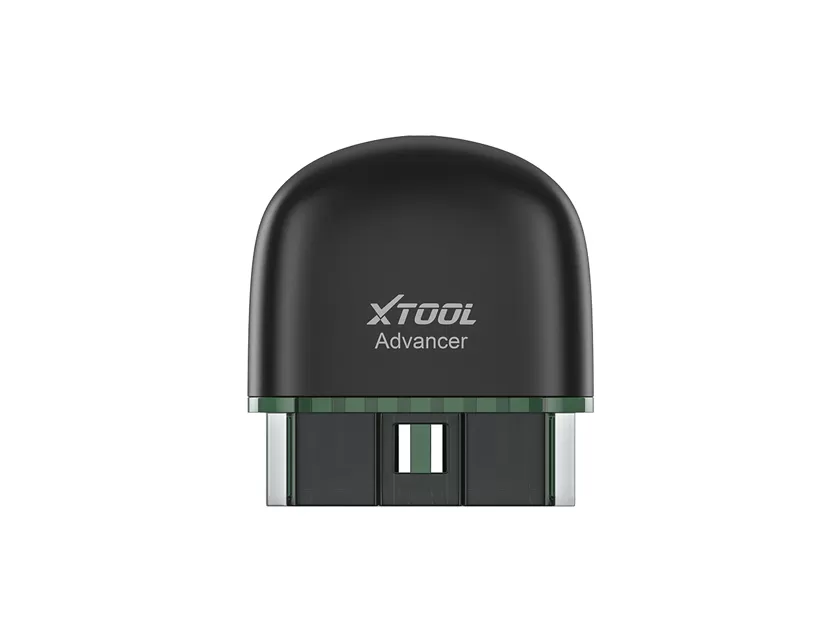
A car code reader is a diagnostic device that connects to a vehicle’s OBD2 port and retrieves diagnostic trouble codes (DTCs). These codes help identify possible issues within different vehicle systems, allowing drivers and technicians to make better maintenance decisions. Whether you are a car owner checking basic problems or a professional mechanic performing advanced diagnostics, an automotive code reader can improve troubleshooting efficiency.
With the development of automotive technology, electronic diagnosis has become an important part of vehicle maintenance. A reliable car code scanner can help detect faults, monitor vehicle conditions, and reduce unnecessary repair costs. This article explains what a car code reader does, what problems it can detect, and how it compares with other diagnostic tools.
A car code reader is an electronic diagnostic tool designed to communicate with a vehicle’s onboard computer system. Most vehicles manufactured after 1996 use the OBD2 standard, which allows diagnostic devices to access information from the engine control unit (ECU).
When a vehicle detects an abnormal condition, the ECU creates diagnostic trouble codes. These codes record information about possible failures, such as sensor problems, engine performance issues, or emission system faults.
By connecting a code reader vehicle device to the OBD2 port, users can retrieve these codes and understand which areas of the vehicle may need attention. Unlike traditional inspection methods that require immediate professional equipment, a car code reader provides quick access to valuable diagnostic information.
Depending on the model, a modern auto car code reader may provide functions such as:
Reading and explaining fault codes
Checking engine and emission problems
Viewing live vehicle data
Monitoring sensor performance
Clearing warning lights after repairs
Supporting basic maintenance checks
Basic models are suitable for everyday drivers, while advanced diagnostic tools are designed for users who need deeper vehicle analysis.
The main purpose of a car code reader is to communicate with the vehicle’s electronic control systems and translate complex data into understandable information.
When connected to the vehicle, the device scans stored information and identifies possible causes of warning lights or performance issues. This allows users to make informed decisions instead of replacing parts based only on guesses.
A car code reader can help with several important tasks.
One of the most common uses of a car code reader is diagnosing the check engine light. When this warning appears, the device can retrieve the related trouble code and provide clues about the possible problem.
Common causes may include:
Faulty oxygen sensors
Ignition system failures
Fuel system problems
Air intake sensor issues
Emission control faults
This information helps users determine whether the vehicle requires immediate inspection or further testing.
Advanced diagnostic devices can display real-time information from vehicle sensors. Users can monitor engine temperature, RPM, voltage, fuel system status, and other operating conditions.
For professional technicians, this function helps compare normal vehicle operation with abnormal data and improves troubleshooting accuracy.
A car code reader is also useful for routine vehicle checks. Identifying potential problems early can help prevent more expensive repairs in the future.
Many drivers also use diagnostic tools when purchasing used vehicles to better understand the vehicle’s electronic condition.
A car code scanner can detect many electronic and system-related issues by reading diagnostic trouble codes stored in the vehicle computer. Although it cannot replace a complete mechanical inspection, it provides important information about possible problem areas.
| Vehicle System | Common Problems Detected |
|---|---|
| Engine System | Engine misfires, ignition problems, fuel system issues, sensor failures, and abnormal performance |
| Emission System | Oxygen sensor faults, EVAP system problems, catalytic converter issues, and emission failures |
| Transmission System | Transmission sensor faults, shifting problems, and communication errors |
| Electrical System | Battery voltage issues, electronic module problems, and sensor-related faults |
| Cooling System | Temperature sensor failures and overheating-related warnings |
For example, when the check engine light turns on, a car code reader can retrieve the corresponding fault code and provide direction for further inspection. Instead of replacing components without confirmation, users can use diagnostic information to locate possible causes.
An advanced automotive code reader can provide additional system access and more detailed vehicle information, making it useful for both professional workshops and experienced vehicle owners.
The ability to read ABS, airbag, or transmission codes depends on the type of diagnostic device being used. Basic code readers usually focus on engine and emission systems, while advanced models can access multiple vehicle control modules.
For ABS systems, an advanced car code reader can help identify problems related to wheel speed sensors, brake control modules, and communication faults. Since ABS directly affects braking safety, identifying these issues quickly is important.
For airbag systems, diagnostic tools can check SRS-related problems, including sensor failures and communication errors. When the airbag warning light remains active, accessing the stored codes can help determine the possible cause.
Transmission diagnostics are also valuable because transmission failures can become expensive if ignored. A capable automatic car code reader can analyze transmission-related information and help users understand possible performance problems.
However, available functions vary between different diagnostic tools. Users should always check whether the device supports the vehicle systems they need to diagnose.
Many modern car code reader devices can clear certain warning lights after the actual problem has been repaired. However, clearing a warning light does not fix the underlying issue. If the fault remains, the warning light may return.
The correct process is:
Connect the car code reader to the vehicle’s OBD2 port.
Scan and record the diagnostic trouble codes.
Inspect or repair the related vehicle components.
Clear the stored codes and confirm that the problem has been resolved.
Using a diagnostic tool properly ensures that warning lights are removed only after the vehicle condition has been checked.
The terms car code reader and OBD2 scanner are often used interchangeably, but they usually refer to tools with different levels of functionality.
A traditional car code reader is mainly designed for basic tasks, such as reading and clearing engine fault codes. It is simple to operate and suitable for drivers who want quick information about common vehicle problems.
An OBD2 scanner generally offers more advanced capabilities, including live data monitoring, multi-system diagnostics, maintenance functions, and deeper analysis of vehicle performance.
For everyday vehicle owners, a basic code reader may provide enough information for common issues. However, professional technicians and users who need detailed diagnostics may benefit from a more advanced solution.
Modern diagnostic devices combine ease of use with powerful features, allowing more users to understand and maintain their vehicles efficiently.
No. A car code reader mainly detects electronic problems stored in the vehicle computer. Mechanical failures without electronic signals may require physical inspection.
Yes. Most modern devices are designed with simple interfaces. Users only need to connect the tool to the OBD2 port and follow the instructions.
Yes. A car code reader helps users identify possible issues earlier, making vehicle maintenance more efficient and reducing unnecessary repairs.
A car code scanner is used to retrieve diagnostic trouble codes, check vehicle systems, and provide information about possible faults.
For many drivers, owning a car code reader is useful because it provides quick access to vehicle information and helps them better understand warning signals.